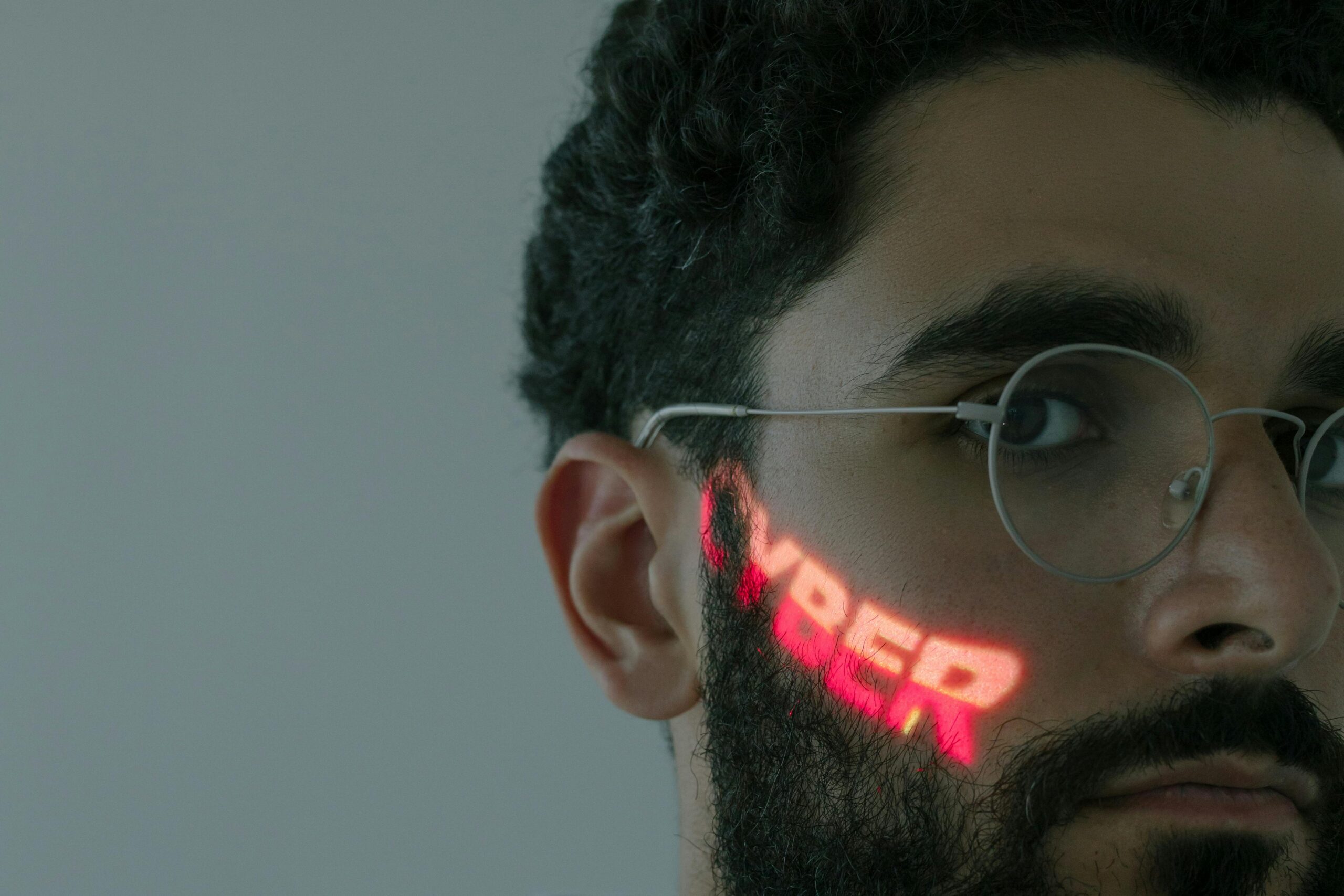
The digital revolution has fundamentally transformed how we present ourselves, interact with others, and perceive reality itself in an increasingly virtualized world.

🌐 The Dawn of Digital Identity: Who Are We Online?
In today’s interconnected world, our digital identities have become as significant as our physical presence. We curate profiles, share experiences, and build relationships through screens and interfaces that mediate our very existence. This phenomenon raises profound questions about authenticity, representation, and the nature of selfhood in virtual spaces.
Digital identity encompasses more than just a username and password. It includes our social media personas, online purchasing habits, digital footprints, gaming avatars, and virtual reality representations. Each interaction adds another layer to our digital selves, creating complex profiles that may or may not align with our offline identities.
The proliferation of digital platforms has enabled us to fragment our identities across multiple contexts. We might be professional on LinkedIn, casual on Instagram, anonymous on Reddit, and entirely fantastical in virtual worlds. This multiplicity challenges traditional notions of unified selfhood and raises ethical questions about consistency, honesty, and authenticity.
⚖️ The Ethics of Virtual Representation
When we create digital avatars or online personas, we make countless decisions about how to represent ourselves. These choices carry ethical weight, particularly when they involve misrepresentation or deception. The question becomes: where do we draw the line between creative self-expression and dishonest portrayal?
In professional contexts, LinkedIn profiles that exaggerate qualifications or experiences cross ethical boundaries. However, selecting flattering photographs or highlighting achievements falls within acceptable norms. The digital world amplifies these ethical gray areas, making it easier to construct idealized versions of ourselves that diverge significantly from reality.
The Authenticity Paradox
Social media platforms encourage authentic self-expression while simultaneously incentivizing curated perfection. Users face pressure to present polished versions of their lives, creating a paradox where “authentic” content is carefully staged and filtered. This performative authenticity raises questions about whether genuine self-representation is even possible in spaces designed to maximize engagement through idealized imagery.
The psychological impact of maintaining multiple digital identities can be significant. Research suggests that substantial discrepancies between online and offline selves correlate with increased anxiety, depression, and feelings of fraudulence. The effort required to sustain fabricated personas exacts a cognitive and emotional toll.
🎮 Simulation Technologies and Moral Boundaries
Virtual reality, augmented reality, and sophisticated simulation technologies have created immersive digital environments where traditional ethical frameworks struggle to maintain relevance. When our actions occur within simulated spaces, do they carry the same moral weight as physical world behaviors?
Video games have long grappled with this question. Players routinely engage in virtual violence, theft, and deception within game narratives without real-world consequences. Most ethical frameworks recognize a clear distinction between simulated and actual harm. However, as simulations become increasingly realistic and psychologically immersive, these boundaries become less distinct.
Virtual Reality and Embodied Ethics
Virtual reality technologies create unprecedented levels of presence and embodiment in digital spaces. When users experience realistic simulations of harmful behaviors—even knowing they’re artificial—the psychological and neurological responses can mirror real experiences. This raises concerns about habituation, desensitization, and the potential transfer of virtual behaviors to physical contexts.
Recent studies examining VR training simulations demonstrate that virtual experiences can produce lasting behavioral changes. This neuroplasticity suggests that our brains don’t always distinguish cleanly between simulated and real experiences, complicating ethical assessments of virtual actions.
💼 Digital Deception: When Virtual Lies Have Real Consequences
The ease of creating false digital identities has enabled new forms of deception with serious real-world impacts. Catfishing, social engineering attacks, identity theft, and sophisticated scams exploit the trust we extend to digital personas. These deceptions blur the line between harmless role-playing and criminal fraud.
Dating apps and social platforms have become theaters for identity manipulation. Users may present outdated photographs, fabricate biographical details, or create entirely fictional personas. While some deceptions seem trivial—adding two inches to one’s height—others constitute serious emotional manipulation or precursors to financial fraud.
The Corporate Dimension
Businesses also navigate ethical challenges around digital identity and representation. Fake reviews, bot-generated social media engagement, astroturfing campaigns, and manipulated influencer marketing raise questions about corporate responsibility in digital spaces. When companies create false personas to promote products or attack competitors, they undermine the integrity of digital marketplaces.
Deepfake technology has escalated these concerns to alarming levels. The ability to create convincing video and audio of people saying or doing things they never did poses existential threats to truth itself. As these technologies become more accessible, distinguishing authentic from fabricated content becomes increasingly difficult.
🤖 Artificial Intelligence and Synthetic Identities
The emergence of sophisticated AI systems capable of generating human-like text, images, and interactions introduces a new category of digital entity: the synthetic identity. These AI-generated personas can engage in conversations, create content, and build relationships—all without human involvement beyond initial programming.
Chatbots and virtual assistants occupy an interesting ethical space. Most users understand they’re interacting with AI, yet they often develop emotional attachments to these synthetic entities. Companies design these systems to be helpful, friendly, and engaging—essentially giving AI personas that feel human without being dishonest about their nature.
The Turing Test Goes Social
Social media platforms now host countless bot accounts that mimic human behavior with increasing sophistication. Some serve benign purposes like customer service automation, while others spread misinformation, manipulate public opinion, or artificially inflate engagement metrics. The ethical obligation to disclose AI identity becomes paramount when synthetic entities interact with humans who believe they’re conversing with peers.
As AI language models become more advanced, they can generate personalized content that resonates emotionally with recipients. Marketing campaigns using AI-generated influencers or synthetic brand ambassadors raise questions about transparency, consent, and manipulation. Should companies be required to disclose when content or interactions involve AI rather than humans?
🏛️ Privacy, Surveillance, and Digital Autonomy
Our digital identities exist within systems of constant surveillance and data collection. Every click, purchase, location check-in, and interaction feeds algorithms that profile our behaviors, preferences, and vulnerabilities. This raises profound questions about autonomy, consent, and the power dynamics of digital existence.
The concept of informed consent becomes problematic when terms of service span dozens of pages of legal jargon. Most users don’t understand the extent to which their data is collected, analyzed, and monetized. This information asymmetry creates ethical concerns about exploitation and the commodification of identity.
The Right to Digital Self-Determination
European regulations like GDPR recognize rights to access, correct, and delete personal data—establishing principles of digital self-determination. However, implementation remains inconsistent, and many jurisdictions lack comparable protections. The question of who owns and controls digital identity data remains contentious and consequential.
Biometric data, behavioral patterns, and psychological profiles derived from digital interactions create intimate portraits of individuals. When this information is bought, sold, or weaponized without meaningful consent, it represents a violation of personal autonomy that traditional ethical frameworks struggle to address adequately.
👥 Community Standards and Digital Governance
Online communities develop norms, rules, and governance structures that shape acceptable identity expression and behavior. From Reddit’s community guidelines to Discord server rules, these frameworks attempt to balance free expression with protection from harm. However, enforcement remains inconsistent and often reflects the biases of platform creators and moderators.
The concentration of power in tech companies that control major platforms creates concerning dynamics. When a handful of corporations determine what identities and expressions are permissible across digital spaces used by billions, questions about democratic governance and due process become urgent.
Cancel Culture and Digital Accountability
Social media has enabled new forms of collective accountability, where users can expose unethical behavior and mobilize consequences for wrongdoing. However, these mechanisms also enable harassment, false accusations, and disproportionate punishment. The permanence of digital records means past actions—taken out of context or from different ethical frameworks—can haunt individuals indefinitely.
The question of redemption and growth becomes complicated in digital spaces where nothing is truly forgotten. Should people be able to evolve beyond their past online statements and actions? How do we balance accountability with forgiveness in environments designed to preserve and resurface historical content?
🌟 Cultivating Digital Virtue: Practical Ethical Guidelines
Navigating the ethical landscape of digital identity and simulation requires intentional cultivation of virtue and thoughtful decision-making. Several principles can guide more ethical engagement with digital spaces:
- Transparency: Be clear about who you are and your intentions in digital interactions
- Consistency: Maintain alignment between online and offline values and behaviors
- Respect: Treat digital interactions with the same ethical seriousness as physical ones
- Privacy consciousness: Protect your own data and respect others’ information boundaries
- Critical thinking: Question the authenticity of digital content and identities
- Empathy: Remember that real people exist behind digital personas
- Accountability: Take responsibility for your digital actions and their consequences
Building Ethical Digital Habits
Individual choices accumulate into digital cultures. By consciously practicing ethical behaviors in virtual spaces, we contribute to healthier online environments. This includes calling out deception, supporting authentic expression, protecting vulnerable users, and refusing to participate in harmful digital practices even when they’re normalized.
Organizations and platforms bear particular responsibility for creating systems that incentivize ethical behavior rather than rewarding manipulation and deception. Design choices that prioritize engagement over wellbeing have contributed to toxic digital cultures. Alternative approaches that value authenticity, safety, and constructive interaction are possible and necessary.
🔮 Future Horizons: Emerging Ethical Challenges
As technology continues evolving, new ethical challenges will emerge. The metaverse promises persistent virtual worlds where we’ll spend increasing portions of our lives. Blockchain technologies enable new forms of digital ownership and identity verification. Brain-computer interfaces may eventually allow direct neural connection to digital spaces, fundamentally transforming how we experience virtual environments.
These developments will require ongoing ethical reflection and the evolution of moral frameworks adequate to unprecedented situations. Questions about the rights of AI entities, the status of virtual property, the regulation of simulated experiences, and the boundaries of acceptable identity manipulation will only grow more pressing and complex.
The Call for Digital Wisdom
Technical capability has outpaced ethical wisdom in the digital realm. We possess powerful tools for creating, manipulating, and experiencing virtual identities and realities without corresponding frameworks for using these tools responsibly. Developing digital wisdom—the ability to navigate virtual spaces with ethical sophistication and psychological health—represents one of the crucial challenges of our era.
This requires education that goes beyond technical literacy to include ethical reasoning about digital life. It demands regulations that protect individuals while preserving innovation and expression. Most fundamentally, it calls for collective commitment to extending our deepest values into the virtual spaces that increasingly shape our world.

🌈 Embracing Authenticity in an Age of Simulation
The digital world offers unprecedented opportunities for self-expression, connection, and creativity. However, these possibilities come with responsibilities and risks. As we navigate virtual spaces, we face constant choices about how to present ourselves, interact with others, and engage with increasingly sophisticated simulations.
The path forward involves neither rejecting digital technologies nor uncritically embracing them. Instead, we need thoughtful engagement that recognizes both the opportunities and dangers of virtual identity and simulation. This means cultivating authenticity even in spaces that enable fabrication, maintaining ethical consistency across physical and digital contexts, and building communities that reward honesty over manipulation.
Our digital identities are extensions of ourselves—neither completely separate from nor identical to our offline selves. The ethics of virtual existence matter because our virtual lives are real lives, with real consequences for ourselves and others. By bringing intentionality, integrity, and compassion to our digital presence, we can help shape virtual worlds that enhance rather than diminish our humanity.
The virtual virtues we cultivate today will determine the character of digital cultures tomorrow. As we stand at this crucial juncture in human history, with virtual and physical realities increasingly intertwined, our choices about identity, authenticity, and ethics in digital spaces will resonate far into the future, shaping the world our children and grandchildren will inherit.