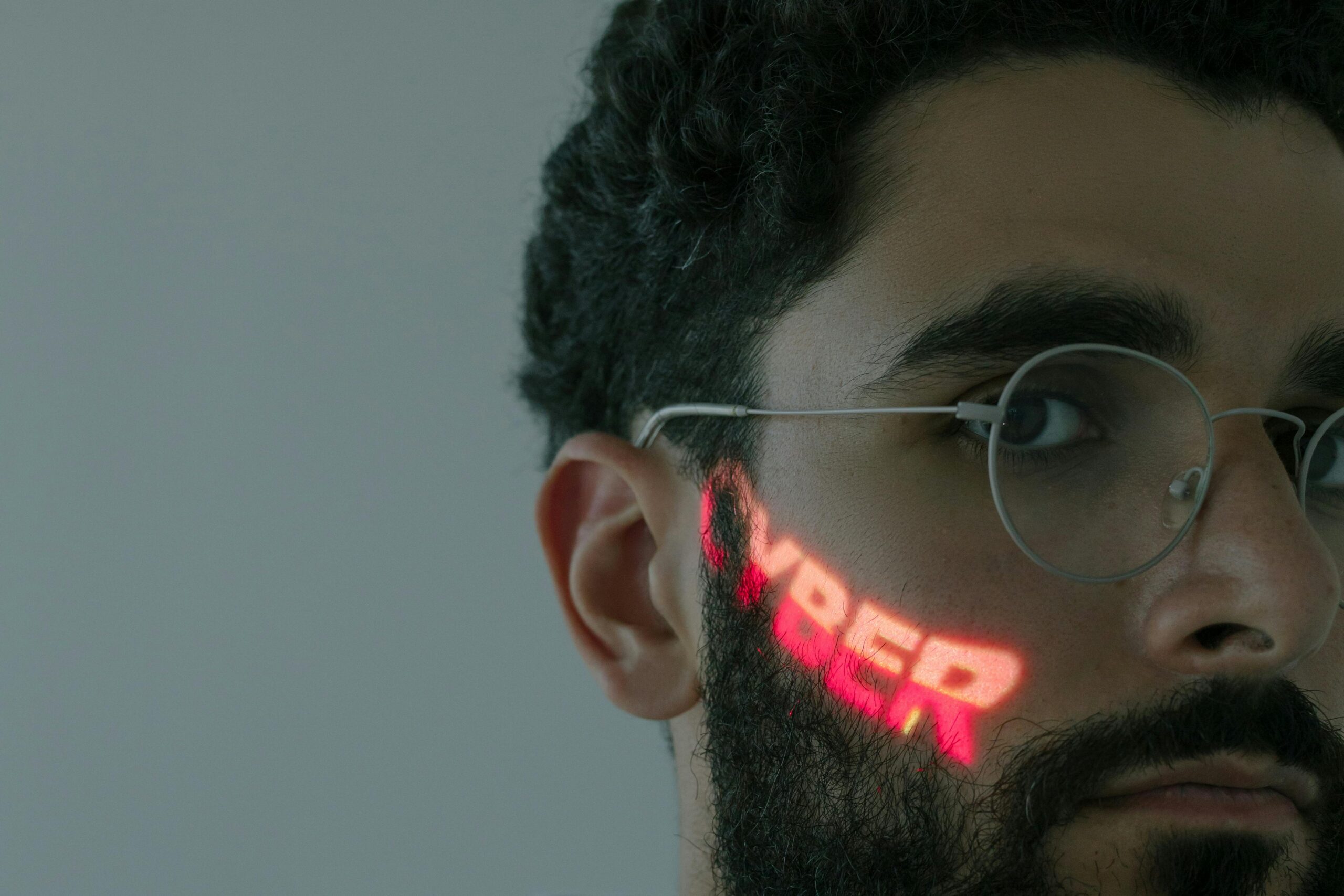
In an age where notifications dictate our rhythms and algorithms shape our thoughts, digital nihilism emerges not as defeat, but as a radical pathway toward authentic existence. 🌐

We find ourselves drowning in a sea of content, connections, and contradictions. Every scroll brings another opinion, another curated reality, another carefully filtered glimpse into someone else’s constructed world. The digital landscape has promised us everything—community, knowledge, entertainment, purpose—yet delivered a peculiar emptiness that gnaws at our collective consciousness.
Digital nihilism isn’t about rejecting technology or retreating into a pre-internet fantasy. Rather, it’s about acknowledging the profound meaninglessness that can emerge from hyper-connectivity while simultaneously using that acknowledgment as a foundation for rebuilding authentic meaning. It’s the recognition that the emperor of digital culture wears no clothes, combined with the wisdom to dress ourselves differently.
🔍 Understanding the Digital Void We’ve Created
The contemporary digital experience has fundamentally altered our relationship with meaning itself. Previous generations sought purpose through religion, community, career, or family. These traditional meaning-making structures haven’t disappeared, but they’ve been dramatically complicated by the digital overlay that now mediates nearly every human experience.
Social media platforms promise connection but often deliver isolation. We accumulate friends, followers, and contacts while experiencing unprecedented loneliness. The paradox isn’t accidental—it’s structural. These platforms optimize for engagement, not fulfillment; for attention, not meaning; for reaction, not reflection.
Consider the average person’s digital day: wake to smartphone notifications, check email before breakfast, scroll through curated morning news, consume carefully constructed social media narratives, participate in digital work environments, entertain ourselves with streaming content, and finally fall asleep with devices within arm’s reach. This isn’t connection—it’s digital saturation masquerading as meaning.
The Algorithmic Meaning Crisis
Algorithms now determine what we see, who we talk to, what we buy, and increasingly, what we believe. This algorithmic curation creates echo chambers where our existing beliefs are reinforced rather than challenged, where complexity is reduced to binary choices, where nuance dies in favor of viral simplicity.
The result is a peculiar form of existential disorientation. We’re simultaneously overinformed and underwise, connected yet alienated, busy yet purposeless. The traditional nihilistic crisis asked “What is the meaning of life?” The digital nihilistic crisis asks “How do we find meaning when everything feels simultaneously important and utterly trivial?”
💭 Why Traditional Responses to Nihilism Fall Short Online
Friedrich Nietzsche famously proclaimed that “God is dead,” recognizing that traditional meaning-making structures had collapsed under the weight of modernity. His response was to advocate for creating one’s own values—becoming the Übermensch who transcends conventional morality to forge personal meaning.
But digital culture complicates this existential project. How do you create your own values when algorithms constantly suggest values for you? How do you forge authentic meaning when your every thought is potentially performative, broadcasted, liked, and commented upon?
The digital realm has created new obstacles to authentic existence:
- Constant external validation through likes and engagement metrics that make internal values seem insufficient
- Information overload that paralyzes decision-making and meaningful action
- The quantification of experience that reduces rich human moments to data points
- Perpetual comparison with others’ highlight reels that undermines personal satisfaction
- The commodification of identity where self-expression becomes personal branding
🌱 Embracing Digital Nihilism as Liberation
Here’s where the embrace becomes powerful: what if the meaninglessness isn’t the problem but the solution? What if recognizing that your follower count doesn’t matter, that the news cycle is largely irrelevant to your actual life, that most digital content is forgettable noise—what if accepting these truths frees you rather than depresses you?
Digital nihilism becomes liberating when we stop fighting the void and instead use it as clarifying contrast. When everything online feels equally important, nothing is truly important. This realization creates space for intentional meaning-making based on your direct experience rather than mediated reality.
The Practice of Digital Disillusionment
Embracing digital nihilism begins with deliberate disillusionment—stripping away the illusions that digital culture has carefully constructed. This means recognizing several uncomfortable truths:
Your social media presence is a fiction you maintain, not your authentic self. The person you present online is a character you perform, shaped by platform affordances, audience expectations, and your own aspirations. Accepting this doesn’t mean abandoning online expression—it means doing so with clear awareness of its constructed nature.
Most digital content will be forgotten within hours, including your own contributions. The urgency you feel to respond, post, or engage is manufactured. The outrage cycle that dominates online discourse is designed to capture attention, not to solve problems or deepen understanding.
Digital communities, while valuable, cannot replace embodied human connection. The convenience of online interaction comes with genuine limitations—no amount of video calls fully replicates the richness of physical presence, shared space, and unmediated communication.
🔧 Practical Strategies for Meaningful Digital Existence
Embracing digital nihilism doesn’t mean abandoning technology—it means using it differently, with clear-eyed awareness of what it can and cannot provide. Here are concrete approaches for rediscovering meaning in a connected world:
Establish Technology Sabbaths
Designate regular periods—whether hours, days, or weeks—when you completely disconnect from digital platforms. This isn’t about “digital detox” as a temporary cleanse before returning to unhealthy habits. Instead, it’s about creating rhythmic patterns that prevent digital saturation from becoming your default state.
During these sabbaths, notice what emerges in the absence of constant connectivity. Boredom becomes generative. Silence becomes rich. Your own thoughts, undirected by algorithmic suggestions, begin to surface with surprising clarity.
Practice Asymmetric Digital Engagement
Consume far less than you create. Observe more than you perform. Use digital platforms as tools for specific purposes rather than as environments you inhabit. This asymmetry helps maintain perspective—you engage with digital culture without being subsumed by it.
When you do create content, do so with intentionality that serves your values rather than algorithmic preferences. Write the essay that’s too long for optimal engagement. Share the photo that’s imperfect but meaningful. Prioritize depth over virality.
Cultivate Analog Anchors
Deliberately invest in activities and relationships that exist primarily or entirely outside digital mediation. Physical hobbies, face-to-face communities, outdoor activities, artistic practices that involve tangible materials—these become anchors that tether you to unmediated reality.
These anchors aren’t escapes from the digital world—they’re counterweights that maintain balance. They remind you, through direct experience, that meaning predates and transcends digital platforms.
📊 Redefining Success Beyond Metrics
Digital culture has trained us to measure value through quantification: followers, likes, shares, views, engagement rates. This measurement imperative reduces complex human experiences to simple numbers, creating a perpetual sense of inadequacy (there’s always someone with higher numbers) while missing what actually matters.
| Digital Metrics | Authentic Measures |
|---|---|
| Number of followers | Depth of real relationships |
| Post engagement | Personal growth and learning |
| Profile views | Impact on your immediate community |
| Content virality | Alignment with your values |
| Online reputation | Integrity in daily actions |
Embracing digital nihilism means recognizing that these metrics are arbitrary, gameable, and ultimately meaningless as measures of human worth or achievement. This recognition frees you to define success according to criteria that actually matter to you—criteria that likely can’t be quantified or displayed on a profile.
🎯 Finding Purpose Through Digital Minimalism
Digital minimalism isn’t about using less technology—it’s about using technology more intentionally. It’s the application of minimalist principles to your digital life, keeping only what serves your purposes and eliminating what doesn’t.
This requires honest assessment: Which digital tools genuinely enhance your life? Which platforms facilitate real connection versus performative interaction? Which apps serve your goals versus hijacking your attention for corporate profit?
The digital minimalist embraces technology where it adds clear value while ruthlessly eliminating digital clutter. This might mean maintaining email and messaging for coordination while abandoning social feeds. It might mean using navigation apps while deleting news aggregators. The specific configuration matters less than the intentional curation.
Creating Personal Digital Protocols
Develop explicit rules for how you engage with technology. These protocols should reflect your values and protect your attention:
- No devices during meals or meaningful conversations
- Check email at designated times rather than constantly
- Social media access only on computers, never on phones
- One-hour maximum for recreational scrolling per day
- Airplane mode during creative work or deep focus activities
These aren’t restrictive rules but liberating boundaries that help you use technology as a tool rather than being used by it.
🌍 Rebuilding Community in Digital Spaces
Digital nihilism doesn’t require abandoning online communities—it requires rebuilding them on healthier foundations. Meaningful digital community differs fundamentally from the broadcast model of mainstream social media.
Authentic online communities are small, focused, and intentional. They prioritize sustained dialogue over viral content. They value vulnerability over performance. They create spaces for genuine exchange rather than algorithmic competition for attention.
Seek or create digital spaces with these characteristics: clear boundaries (not everyone needs access), shared purpose (beyond mere socializing), asynchronous communication (that respects people’s time), and norms that prioritize substance over performance.
✨ The Paradox of Digital Presence
The ultimate embrace of digital nihilism involves holding a paradox: being present in digital spaces while remaining fundamentally uncommitted to them. Engaging with technology without letting it define your sense of self or worth. Contributing to online discourse while recognizing its ultimate triviality compared to embodied existence.
This paradoxical stance—engaged detachment or detached engagement—allows you to navigate digital culture without being consumed by it. You can use social platforms without believing they matter. You can participate in online communities without confusing them with real friendship. You can share your work digitally without needing external validation to feel worthy.

🚀 Moving Forward: Digital Wisdom for Meaning-Making
Rediscovering meaning in a connected world ultimately requires developing what we might call digital wisdom—the capacity to engage thoughtfully with technology in service of human flourishing rather than corporate profit or algorithmic imperatives.
This wisdom recognizes that technology is neither salvation nor damnation but a set of tools with particular affordances and limitations. It acknowledges that digital experiences are real experiences that shape us, while maintaining that they cannot fully substitute for embodied existence.
Digital wisdom means using connectivity to genuinely connect rather than to perform connection. It means leveraging information access for learning rather than drowning in content. It means employing digital platforms to coordinate meaningful action in physical space rather than confusing online activity with real-world impact.
The Path of Intentional Meaning
Embracing digital nihilism clears away the false promises and empty metrics that clutter contemporary life. What emerges in that cleared space is the opportunity—and responsibility—to intentionally construct meaning based on your direct experience, values, and relationships.
This meaning won’t come from accumulating followers or creating viral content. It will come from the ordinary richness of embodied life: conversations with friends, work that serves others, creative expression for its own sake, time in nature, physical touch, shared meals, learning and growth, contributing to your community.
Digital tools can support these meaning-making activities, but they cannot replace them. The smartphone can help you coordinate meeting a friend but cannot substitute for the meeting itself. Social media can share your creative work but cannot replicate the satisfaction of the creative process. Online learning can supplement education but cannot replace mentorship and practice.
The embrace of digital nihilism is ultimately an embrace of reality—acknowledging what digital culture cannot provide so you can seek what you actually need elsewhere. It’s recognizing that the void is real, the meaninglessness is genuine, and that acknowledgment is the first step toward authentic meaning.
In our hyperconnected age, the most radical act might be caring deeply about things that can’t be liked, shared, or quantified. Building relationships that exist primarily offline. Pursuing goals without documenting them. Finding satisfaction in experiences that generate no content. Living richly in the spaces between posts, in the silence between notifications, in the reality that exists regardless of whether anyone is watching. 🌟
This is how we embrace digital nihilism: not by rejecting technology, but by seeing through its false promises to rediscover what has always mattered—presence, connection, growth, contribution, love. The digital void becomes not a problem to solve but a teacher showing us where meaning doesn’t reside, so we know where to look instead.