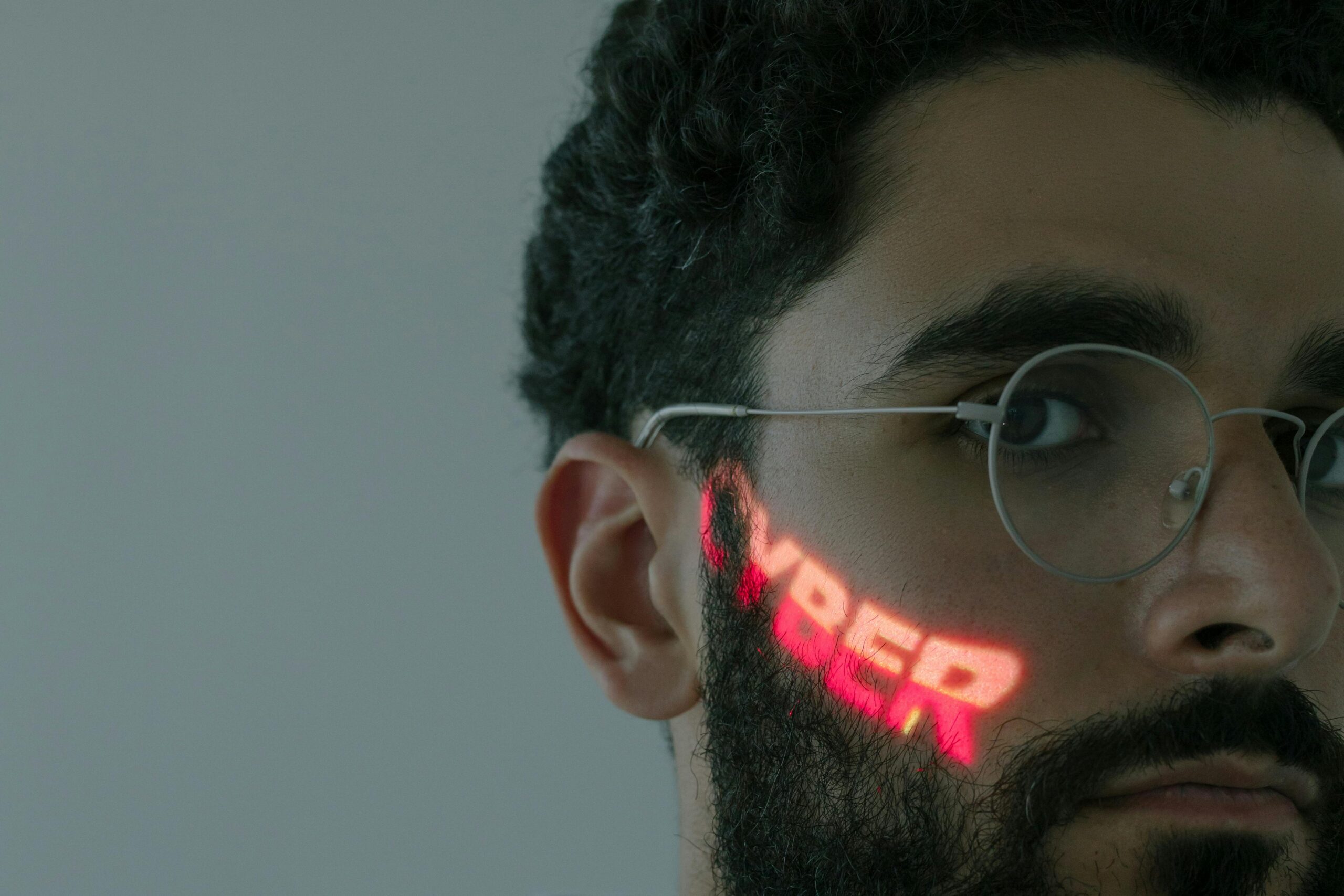
In an age where notifications never stop and silence feels like a luxury, ancient Stoic wisdom offers surprisingly practical tools for reclaiming your inner peace and mental clarity.

🏛️ Why Ancient Philosophy Matters in the Digital Age
The Stoics never encountered smartphone addiction, social media anxiety, or information overload. Yet their teachings about controlling what’s within our power and accepting what isn’t have never been more relevant. Marcus Aurelius, Epictetus, and Seneca faced political turmoil, plagues, and personal losses—challenges that required the same mental resilience we need today.
Modern neuroscience confirms what Stoics understood intuitively: our perceptions shape our reality more than external events themselves. When you receive a critical email or see disturbing news, your brain’s amygdala triggers stress responses before your rational mind can evaluate the situation. Stoicism provides a framework to pause that automatic reaction and choose a measured response instead.
Digital chaos differs from ancient challenges mainly in velocity and volume. We face thousands of micro-stressors daily—each notification, comparison, or piece of outrage-inducing content chips away at our equanimity. The Stoic principle of focusing only on what you can control becomes a filter that transforms overwhelming digital noise into manageable signal.
Understanding the Core Principles of Modern Stoicism
At the heart of Stoic philosophy lies the dichotomy of control—distinguishing between what you can influence and what you cannot. Your thoughts, actions, and responses belong to the first category. Other people’s opinions, algorithmic recommendations, and viral trends belong to the second. This simple distinction cuts through digital anxiety like nothing else.
The Stoics practiced “premeditatio malorum”—the premeditation of adversity. Rather than toxic positivity that denies problems, this involves mentally rehearsing potential challenges. Before entering a contentious online discussion or checking your work inbox, you visualize various outcomes and prepare your responses. This mental preparation removes the shock factor that often triggers our worst reactions.
Virtue ethics form another pillar of Stoic thought. Wisdom, courage, justice, and temperance aren’t abstract ideals but practical guides for daily decisions. When you’re tempted to share unverified information, justice and wisdom should pause your finger above the share button. When facing online harassment, courage means standing firm without retaliating with equal venom.
The Practice of Voluntary Discomfort
Stoics deliberately exposed themselves to discomfort to build resilience. Seneca took cold baths and slept on hard surfaces. The modern equivalent might be digital fasts, notification detoxes, or intentionally using “dumb phones” for periods. These practices aren’t about suffering but about proving to yourself that comfort isn’t as essential as your mind claims.
When you voluntarily disconnect from digital dopamine sources, you discover a surprising truth: boredom isn’t dangerous, and FOMO (fear of missing out) is largely illusion. Most “urgent” messages can wait hours or days. Most trending topics won’t matter next week. This experiential knowledge immunizes you against the tyranny of constant connectivity.
Practical Techniques for Digital-Age Stoicism 🧘
Theory without practice is philosophy; practice without theory is ritual. Combining both creates transformation. Here are specific Stoic exercises adapted for our digital reality.
Morning Intention Setting
Before checking your phone, spend five minutes clarifying your intentions for the day. Marcus Aurelius began each day reminding himself he’d encounter difficult people, but their actions couldn’t harm his character. Your modern version might acknowledge you’ll see disturbing news, provocative posts, and digital distractions—but none can force you to abandon your principles or peace of mind.
This practice creates a psychological buffer between waking consciousness and digital immersion. You establish your priorities before algorithms do. You remember who you want to be before the day’s chaos tempts you to become reactive and scattered.
The Stoic Pause Between Stimulus and Response
Viktor Frankl, though not technically a Stoic, expressed a perfectly Stoic idea: “Between stimulus and response there is a space. In that space is our power to choose our response.” Digital life compresses this space to microseconds. Notifications demand immediate attention. Messages expect instant replies. Breaking this cycle requires deliberate practice.
Try this: When you receive a message that triggers emotion—anger, anxiety, excitement—wait at least ten minutes before responding. During this interval, practice the Stoic “view from above” exercise. Imagine zooming out from your immediate situation, seeing yourself from across the room, then from above your building, then from orbit. This perspective shift diminishes the seeming urgency and importance of most digital drama.
Evening Reflection and Review
Seneca advocated daily self-examination: “When the light has been removed and my wife has fallen silent, aware of this habit that’s now mine, I examine my entire day and go back over what I’ve done and said, hiding nothing from myself, passing nothing by.” Your digital-age version reviews not just actions but reactions—to news, social media, emails, and messages.
Ask yourself: Where did I let external events control my emotions? When did I engage in pointless digital arguments? Which interactions added value to my life, and which merely drained attention? This isn’t about judgment but honest assessment and course correction.
Building Your Personal Philosophy for the Digital World 📱
Stoicism isn’t a rigid doctrine but a flexible framework you adapt to your circumstances. Creating personal guidelines for digital engagement embodies practical wisdom.
Defining Your Digital Values
What role should technology play in a life well-lived? The Stoics pursued eudaimonia—human flourishing—not pleasure or distraction. Examine each digital habit against this standard. Does scrolling social media for an hour contribute to your flourishing? Does staying perpetually available to everyone strengthen or weaken your important relationships?
Write down your answers. Create simple rules based on your values. Examples might include: “I use social media to share meaningful work and connect with specific people, not to passively consume.” Or: “I check email three times daily at set intervals, not continuously.” These aren’t restrictions but expressions of your authentic priorities.
Creating Friction for Bad Habits, Flow for Good Ones
Stoicism emphasizes making virtue easy and vice difficult. Apply this principle to your digital environment. Remove social media apps from your phone’s home screen. Log out after each session. Delete apps that consistently leave you feeling worse. These small frictions create moments of choice where autopilot once ruled.
Conversely, make beneficial practices effortless. Keep a philosophy book by your bed instead of your phone. Set your browser homepage to a Stoic quote generator rather than news sites. Use technology intentionally as a tool for your flourishing, not as the default for filling every spare moment.
Handling Digital Adversity Like a Stoic 💪
The digital world guarantees you’ll face criticism, misunderstanding, and outright attacks. Your response determines whether these experiences harm or strengthen you.
When Someone Attacks You Online
Epictetus taught: “If someone speaks badly of you, consider whether what they say is true. If it is, correct yourself. If it isn’t, laugh it off.” This simple framework deflates most online conflict. Criticism containing truth is a gift for self-improvement. Baseless attacks reveal more about the attacker than you—why should their confusion disturb your peace?
The Stoic response to online hostility isn’t suppressed anger but genuine indifference rooted in self-knowledge. You know your character and intentions. Random strangers’ assessments, filtered through their biases and limited information, simply don’t merit emotional investment. This isn’t cold but liberated—you’re free to focus energy on what actually matters.
Processing Disturbing News and Content
The world contains suffering and injustice. Stoicism doesn’t advocate indifference to others’ pain but distinguishes between compassionate action and destructive worry. When you encounter disturbing news, pause and ask: “What’s within my control here?”
You cannot control global events, political decisions, or natural disasters. You can control your response: whether you donate, volunteer, vote, or educate yourself to help effectively. You can control whether you spiral into anxiety or channel concern into constructive action. You can control whether you share information responsibly or amplify panic.
Limit news consumption to specific times rather than constant updates. Most situations don’t require your immediate awareness, and the difference between learning something now versus three hours from now rarely matters. What matters is maintaining the mental clarity to respond wisely when you can actually influence outcomes.
Cultivating Gratitude in the Age of Comparison 🙏
Social media has weaponized comparison. Everyone’s highlight reel makes your behind-the-scenes look shabby. The Stoic antidote is negative visualization—regularly imagining life without what you have.
Epictetus suggested thinking of loved ones: “When you kiss your child, say to yourself, ‘Tomorrow they may die.'” This sounds morbid to modern ears, but it’s profoundly practical. When you genuinely contemplate losing your health, relationships, or freedoms, you stop taking them for granted. That ordinary moment with your partner becomes precious. Your functional body becomes miraculous.
Apply this to digital comparison. When envying someone’s vacation photos, remember you don’t see their debts, relationship problems, or health struggles. More importantly, shift focus to appreciating what you have rather than lamenting what you lack. The Stoics understood that desire itself, not circumstance, creates suffering. Satisfaction comes from wanting what you already possess.
Meditation and Mindfulness Through a Stoic Lens 🧠
While mindfulness meditation has Buddhist roots, Stoics practiced similar techniques. Marcus Aurelius frequently reminded himself of philosophy’s core insights—essentially a form of contemplative practice. Modern meditation apps can support Stoic practice when used intentionally.
The key difference: Stoic meditation isn’t about emptying your mind but filling it with wisdom. You contemplate philosophical principles, rehearse virtuous responses, and examine your judgments. This active engagement complements passive awareness practices beautifully.
A simple Stoic meditation: Sit quietly and review the dichotomy of control. List specific current concerns, categorizing each as within or beyond your control. For items within your control, identify concrete actions. For items beyond it, practice acceptance. This ten-minute exercise often provides more relief than an hour of anxious rumination.
Building a Stoic Community in Digital Spaces 👥
The Stoics valued community highly. Seneca maintained extensive correspondence. Marcus Aurelius learned from teachers throughout his life. Digital technology enables unprecedented access to philosophical community—if you’re selective.
Seek online spaces focused on practice rather than theory alone. Join forums where people share how they applied Stoic principles to real challenges, not just quote ancient texts. Engage with content creators who embody philosophical principles in their work and interactions, not those who merely discuss them abstractly.
Be the community member you wish others were. Share genuine struggles and insights. Offer thoughtful responses rather than quick reactions. Practice digital virtue—let your online presence reflect the character you’re cultivating. This transforms social media from a distraction into a laboratory for philosophical practice.
Sustaining Your Practice When Motivation Fades ⚡
Enthusiasm for any new practice eventually wanes. The Stoics anticipated this. They emphasized small, consistent actions over dramatic gestures. James Clear’s concept of “atomic habits” perfectly complements Stoic practice—tiny improvements compound into transformation.
Don’t attempt to master everything simultaneously. Choose one practice—perhaps morning intention-setting—and commit to it for thirty days. Once it becomes automatic, add another. This gradual approach respects your brain’s resistance to change while steadily building a philosophical lifestyle.
Track your practice simply. Mark a calendar when you complete your chosen exercise. This visual streak becomes self-reinforcing. More importantly, it provides data. If you miss three days consecutively, something needs adjustment—perhaps the practice is too ambitious, or you haven’t identified the right trigger to maintain it.
When You Fall Short of Your Ideals
You will fail. You’ll lose your temper online, waste hours on pointless browsing, and let others’ opinions disturb your peace. The Stoic response isn’t self-flagellation but gentle course correction. Marcus Aurelius constantly reminded himself of basic principles—not because he’d mastered them but because he kept forgetting and needed refreshers.
Treat yourself as you would a student you’re mentoring. When they stumble, you don’t berate them but help them understand what happened and how to improve. Extend the same patience to yourself. Each failure contains lessons if you’re willing to examine it honestly without unnecessary drama.

Living Philosophy Rather Than Studying It 📚
The ultimate test of Stoicism isn’t how much you know but how you live. Can you face a harsh email without your day derailing? Can you encounter opposing viewpoints without feeling personally attacked? Can you experience digital temptations without automatically surrendering to them?
Philosophy becomes real in moments of testing. That’s when you discover whether concepts have penetrated from your head to your character. Each small victory—choosing reflection over reaction, acceptance over resistance, contribution over consumption—strengthens your philosophical muscles.
Start where you are. You don’t need to quit social media, move to a cabin, or become a perfect sage. You need only begin applying these principles to one situation today. When you check your phone tomorrow morning, pause and set an intention. When someone posts something infuriating, practice that ten-minute delay before responding. When comparing yourself to others online, shift to gratitude for what you have.
These small practices, repeated daily, gradually transform your relationship with digital technology and the chaos it brings. You’ll find yourself less reactive, more intentional, and increasingly at peace—not because the world has changed, but because you have. That’s the promise of Stoicism: not control over external events but mastery of the one thing truly yours—your own mind and character.
The ancient Stoics would likely view our digital age with recognition rather than shock. Different tools, same human struggles. Distraction, comparison, anger, and anxiety aren’t new—only their delivery mechanisms have changed. The solutions they discovered through reason and practice remain as effective now as two thousand years ago. The question isn’t whether Stoicism can work in the digital age, but whether you’ll apply it to discover peace amid the chaos.