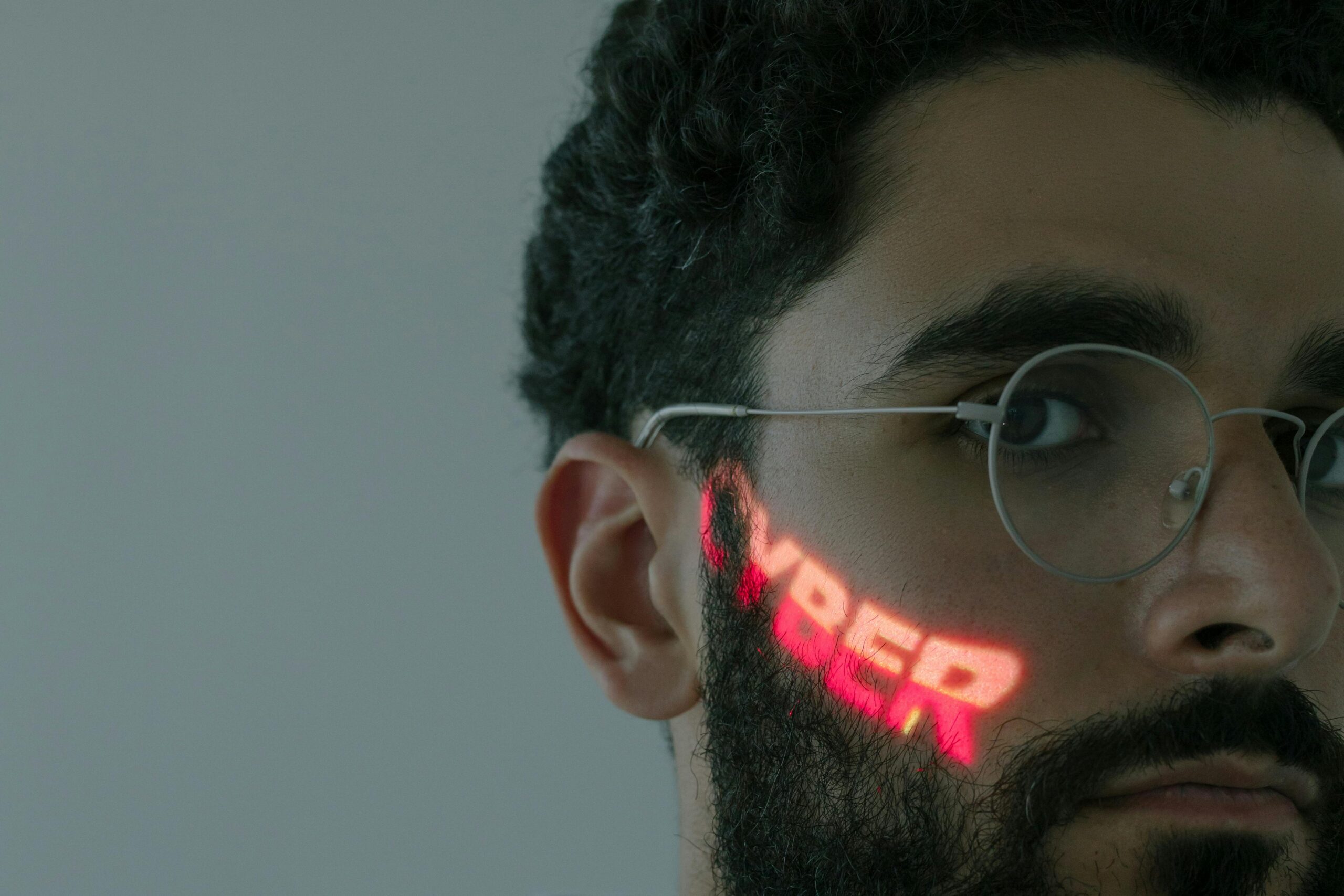
In the digital age, we wear many faces across countless platforms, crafting versions of ourselves that blur the lines between reality and representation. 🎭

The modern individual exists in a state of perpetual transformation, constantly negotiating between their physical self and their digital personas. This phenomenon has created a complex landscape where identity is no longer singular or fixed, but rather a fluid, multifaceted construct that adapts to different contexts, audiences, and platforms. As we navigate this intricate web of digital existence, understanding the nature of our multiplicity becomes essential to maintaining authenticity and psychological well-being in an increasingly connected world.
The Architecture of Our Digital Selves
Every social media profile, gaming avatar, and online forum username represents a thread in the vast tapestry of our digital identity. These representations aren’t merely shallow reflections; they’re carefully constructed personas that serve specific purposes and satisfy different aspects of our complex personalities. On LinkedIn, we project professional competence and career ambition. On Instagram, we curate aesthetic experiences and lifestyle aspirations. On Reddit or specialized forums, we might express controversial opinions or niche interests we wouldn’t dare share with our real-world social circles.
This multiplicity isn’t inherently deceptive or problematic. Rather, it reflects the natural human tendency to code-switch and adapt our behavior to different social contexts. What’s changed is the scale and permanence of these adaptations. In the physical world, these shifts were temporary and ephemeral. Online, they become archived, searchable, and potentially eternal aspects of our digital footprint.
The Psychology Behind Digital Fragmentation
Psychologists have long recognized that human identity isn’t monolithic. The concept of “possible selves” describes the versions of who we might become, wish to become, or fear becoming. Digital spaces provide laboratories where we can experiment with these possible selves in relatively safe environments. A shy person might develop confidence through an assertive online persona. Someone constrained by professional expectations might explore creative passions through anonymous artistic accounts.
This fragmentation serves important psychological functions. It allows for identity exploration without immediate real-world consequences, provides outlets for aspects of ourselves that don’t fit neatly into our primary social circles, and offers opportunities for reinvention when physical circumstances feel limiting. However, managing multiple digital identities also creates cognitive load and potential internal conflicts when these personas diverge significantly from our core sense of self.
Platform Economics and Identity Performance 💼
The platforms hosting our digital identities aren’t neutral spaces—they’re commercial enterprises with specific incentive structures that shape how we present ourselves. Algorithmic systems reward particular types of content and engagement patterns, effectively training users to perform their identities in platform-optimized ways. Instagram’s emphasis on visual aesthetics encourages carefully curated imagery. Twitter’s character limits and retweet mechanics favor punchy, provocative statements. TikTok’s format promotes performative authenticity and trend participation.
This creates a feedback loop where platform design influences identity presentation, which in turn reinforces platform engagement patterns. Users internalize these expectations, often unconsciously modifying their self-presentation to align with what generates likes, comments, shares, and followers. The metrics of digital validation become proxies for social acceptance, blurring the distinction between authentic self-expression and strategic performance.
The Attention Economy’s Impact on Authenticity
In environments where visibility equals value, authenticity itself becomes commodified. Users are incentivized to share not what’s genuinely meaningful but what’s likely to generate engagement. This produces a paradoxical situation where displays of vulnerability and “authentic” moments are carefully staged for maximum impact. The performance of authenticity replaces actual authenticity, creating yet another layer of identity construction that must be managed and maintained.
The pressure to maintain engaging online personas can lead to emotional exhaustion and identity confusion. When significant time and energy are invested in cultivating digital selves, these constructions can begin to feel more “real” than offline existence. Some individuals report feeling more like themselves online than in physical spaces, raising profound questions about where authentic identity truly resides.
Navigating the Professional-Personal Divide 🌐
One of the most challenging aspects of digital identity management involves maintaining boundaries between professional and personal spheres. Previous generations could largely separate work identity from private life, but digital connectivity has made this compartmentalization increasingly difficult. Employers routinely screen candidates’ social media profiles. Clients and colleagues send connection requests on personal platforms. Professional networks expand into social spaces.
This collapse of context requires careful navigation. Many individuals maintain separate accounts for different audiences—professional profiles that showcase expertise and accomplishments, personal accounts for friends and family, and perhaps anonymous accounts for unfiltered expression. This strategy provides some protection but also multiplies the identity work required and increases the risk of accidental context collapse when content meant for one audience reaches another.
The Rise of Personal Branding Culture
The concept of “personal branding” has transformed how many people approach digital identity, particularly in professional contexts. No longer is it sufficient to simply be competent at one’s work; individuals are encouraged to cultivate distinctive online presences that communicate unique value propositions. This entrepreneurial approach to self-presentation treats identity as a marketable asset requiring strategic development and consistent promotion.
While personal branding can create professional opportunities and facilitate networking, it also intensifies the performative aspects of digital identity. The pressure to maintain a consistent, compelling brand narrative can constrain authentic expression and create additional emotional labor. Every post becomes a strategic communication requiring consideration of brand alignment, audience reception, and long-term positioning.
Cultural Dimensions of Digital Identity 🌍
The experience of digital multiplicity varies significantly across cultural contexts. In collectivist cultures, where harmony with social groups traditionally takes precedence over individual expression, digital platforms may offer unprecedented opportunities for personal exploration outside community surveillance. Conversely, in individualistic cultures already comfortable with self-promotion, digital spaces may simply amplify existing tendencies toward personal brand development.
Language also plays a crucial role in digital identity construction. Multilingual individuals often report distinct personas associated with different languages, as each linguistic context carries particular cultural associations and expressive possibilities. Someone might use English for professional networking, their native language for family connections, and a third language for interest-based communities, with each linguistic context enabling different facets of identity expression.
Generational Perspectives on Digital Selfhood
Age cohorts approach digital identity with varying assumptions and comfort levels. Digital natives who’ve grown up with social media often intuitively understand the multiplicity of online identity, seamlessly managing different personas across platforms. They’re more likely to view this fragmentation as natural rather than problematic, recognizing that different contexts require different presentations of self.
Older generations who adopted digital technologies later in life may experience greater dissonance between online and offline selves. The skills of digital identity management—understanding privacy settings, managing multiple accounts, curating content for specific audiences—don’t come as naturally and may feel more like deliberate performance than organic self-expression. This generational divide influences not only individual practices but also broader cultural conversations about authenticity, privacy, and appropriate self-disclosure online.
The Dark Side: When Multiplicity Becomes Fragmentation 😰
While identity multiplicity can serve adaptive functions, it also carries psychological risks. When the gap between different versions of self becomes too wide, or when no single representation feels genuinely authentic, individuals may experience identity confusion or dissociation. The constant performance of various personas can lead to feelings of emptiness or uncertainty about one’s “true” self.
Social media’s comparison culture exacerbates these challenges. Seeing curated highlights of others’ lives while intimately knowing the gap between one’s own polished online presence and messy reality can generate feelings of inadequacy and impostor syndrome. The pressure to maintain idealized digital personas while managing ordinary human struggles creates emotional dissonance that takes a toll on mental health.
Anonymity and the Shadow Self
Anonymous and pseudonymous online spaces present particular opportunities and dangers. They allow expression of thoughts, feelings, and aspects of identity that might be socially unacceptable or professionally risky in identified contexts. For some, this provides healthy outlets for processing difficult emotions or exploring controversial ideas. For others, anonymity enables toxic behavior—trolling, harassment, and expression of prejudices that would face social consequences in identified contexts.
The phenomenon of the “online disinhibition effect” describes how digital mediation reduces social restraints, encouraging both benign self-disclosure and toxic disinhibition. Managing this shadow self—the aspects of identity that emerge primarily in anonymous contexts—represents another dimension of digital identity work. When anonymous personas dramatically contradict identified presentations, this split can indicate problematic fragmentation requiring attention.
Strategies for Authentic Integration 🔗
Given the inevitability of digital multiplicity in contemporary life, developing healthy approaches to identity management becomes essential. Rather than striving for perfect consistency across all contexts—an unrealistic and potentially limiting goal—the aim should be coherent integration where different aspects of self remain recognizably connected to a stable core identity.
This begins with self-awareness: regularly examining one’s various digital personas and assessing whether they represent genuine aspects of self or performances that have drifted too far from authentic experience. Creating intentional boundaries around platform use helps prevent the cognitive overload of managing too many disparate identities. Some individuals find it helpful to periodically audit their digital presence, consolidating accounts that no longer serve meaningful purposes and ensuring that remaining presences align with current values and priorities.
Cultivating Digital Mindfulness
Mindfulness practices adapted for digital contexts can help navigate identity multiplicity with greater awareness and intention. This includes noticing emotional responses to online interactions, recognizing when engagement feels draining versus energizing, and making conscious choices about which aspects of life to share publicly versus keeping private. Digital mindfulness involves treating online spaces not as separate realities but as extensions of lived experience deserving the same ethical consideration and self-awareness we bring to offline interactions.
Setting temporal boundaries also supports healthier digital identity management. Designating specific times for different platforms or personas prevents the constant context-switching that contributes to cognitive fatigue. Regular periods of disconnection allow integration of experiences and provide space for aspects of identity not mediated through digital channels.
The Future of Digital Identity 🚀
Emerging technologies promise to further complicate digital identity in coming years. Virtual and augmented reality platforms will create immersive environments for identity exploration and expression. Artificial intelligence will enable increasingly sophisticated digital representations that can interact autonomously on our behalf. Blockchain-based identity systems may provide new frameworks for managing and verifying digital credentials across contexts.
These developments will require evolving approaches to identity management and new ethical frameworks for digital selfhood. Questions about ownership and control of digital identity data, the relationship between human and AI-mediated presentations of self, and the rights and responsibilities associated with digital personas will become increasingly pressing.
Building Digital Identity Literacy
As digital identity becomes more complex, developing comprehensive literacy around these issues becomes crucial—not just for individuals but as a societal imperative. This includes understanding privacy implications of various platforms, recognizing how algorithms shape identity presentation, and developing critical awareness of how digital design influences behavior and self-perception.
Educational systems, workplaces, and communities need to support skill development in digital identity management, treating it not as frivolous social media use but as fundamental literacy for navigating contemporary life. This includes technical skills like privacy management alongside psychological competencies like recognizing when digital engagement becomes unhealthy and maintaining integrated identity across multiple contexts.

Weaving Threads of Connection Rather Than Division ✨
The digital tapestry of contemporary identity need not be a fragmented mess of disconnected threads. With intention, awareness, and skill, individuals can weave these multiple strands into coherent patterns that honor complexity while maintaining integrity. This requires accepting that wholeness doesn’t mean sameness—that presenting different aspects of self in different contexts doesn’t constitute deception but rather reflects the genuine multifaceted nature of human identity.
The challenge lies not in eliminating multiplicity but in ensuring that our various digital expressions remain connected to and informed by our deepest values and authentic experiences. When managed thoughtfully, digital identity multiplicity can enrich rather than diminish our sense of self, providing opportunities for exploration, connection, and expression that transcend the limitations of any single context.
As we continue navigating this digital landscape, perhaps the ultimate goal isn’t to resolve the complexity of our multiplicity but to become more skilled at its navigation—more aware of the choices we make in constructing and presenting our digital selves, more intentional about the values guiding those choices, and more compassionate with ourselves and others as we all attempt to maintain authenticity in environments that constantly challenge it.
The digital tapestry will continue evolving, shaped by technological innovations we can barely imagine. But the fundamental human need for authentic connection, meaningful expression, and coherent identity will remain constant. Our task is to ensure that as our tools change, we maintain agency over how those tools shape our understanding of who we are—both as individuals and as a digitally interconnected species learning to navigate unprecedented forms of connection and self-expression.