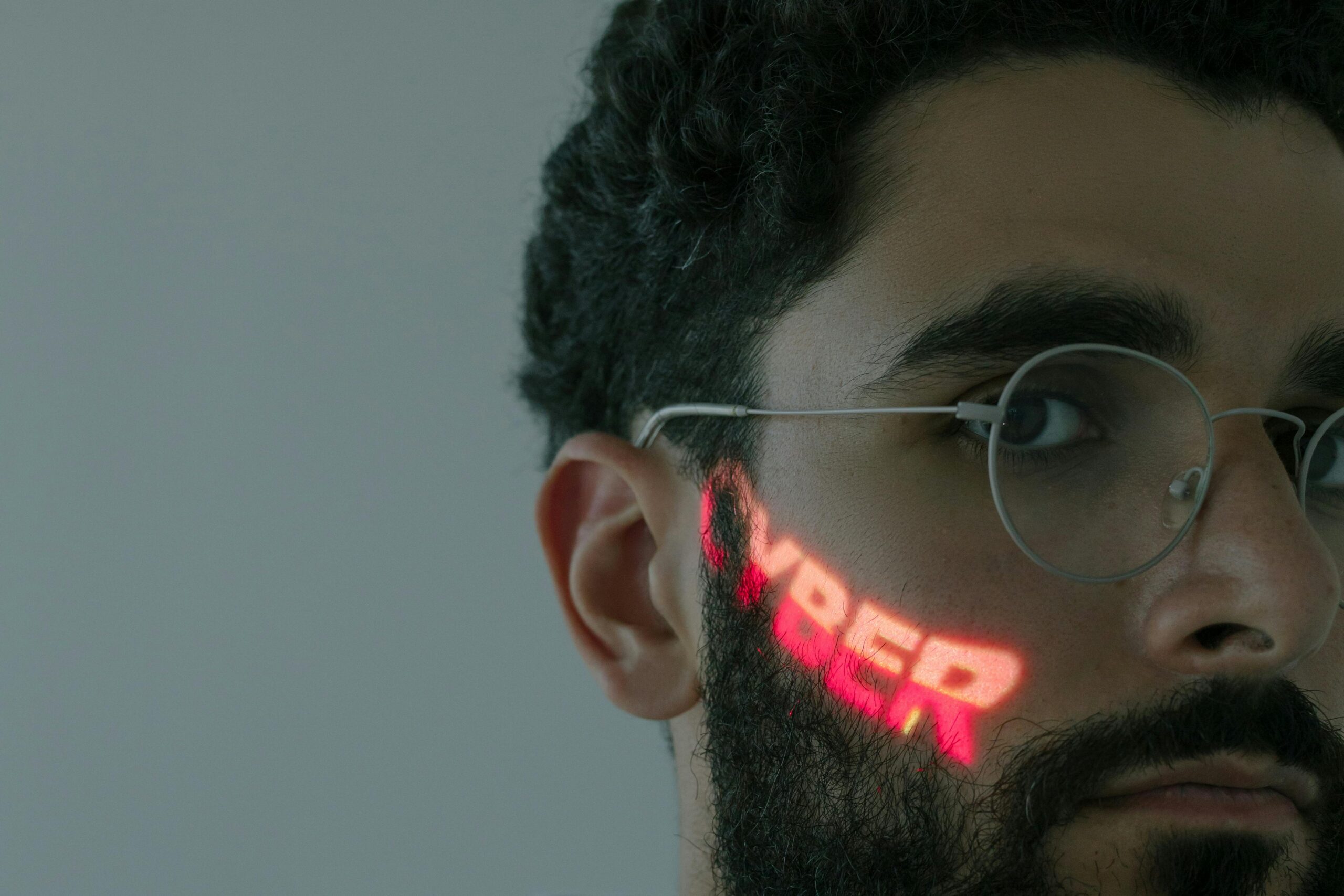
Technology and nature are no longer opposing forces. Innovation is now creating bridges that deepen our relationship with the natural world in unprecedented ways. 🌿

In an age where digital devices dominate our daily lives, a fascinating paradox has emerged: the very technology that once seemed to distance us from nature is now becoming our most powerful tool for reconnecting with it. From augmented reality forest walks to AI-powered bird identification apps, tech-infused fulfillment represents a new paradigm where innovation serves as a gateway rather than a barrier to natural experiences.
This convergence of technology and nature isn’t about replacing authentic outdoor experiences with virtual simulations. Instead, it’s about enriching, enhancing, and making nature more accessible to people across different circumstances, abilities, and geographic locations. As we navigate an increasingly urbanized world, these technological innovations are proving essential for maintaining and strengthening our connection to the living systems that sustain us.
🌍 The Digital Nature Renaissance
We’re witnessing a remarkable shift in how technology companies and innovators approach nature-related solutions. Rather than creating experiences that keep people indoors staring at screens, developers are designing tools that encourage outdoor exploration while providing enhanced learning and engagement opportunities.
The concept of tech-infused fulfillment through nature connection addresses a critical modern challenge: nature deficit disorder. Coined by Richard Louv, this phenomenon describes the human costs of alienation from nature, including diminished use of senses, attention difficulties, and higher rates of physical and emotional illnesses. Technology, paradoxically, is now offering remedies.
Mobile applications have become digital field guides that fit in our pockets, transforming casual walks into educational adventures. These tools don’t replace the experience of being outdoors; they amplify it by providing context, identification help, and community connection that would have required years of study or expert guidance in the past.
📱 Apps That Bring Nature to Your Fingertips
Plant identification apps represent one of the most successful intersections of technology and nature connection. These applications use artificial intelligence and image recognition to identify plants, trees, flowers, and fungi within seconds, turning every hike into a botanical education.
PictureThis and similar apps have democratized botanical knowledge, allowing anyone with a smartphone to identify thousands of plant species instantly. Users simply photograph a plant, and the app’s AI analyzes the image against vast databases to provide accurate identification, care instructions, and interesting facts about the species.
Bird watching has experienced a technological revolution through apps that combine visual identification with sound recognition. These platforms can identify bird species by their calls and songs, adding an entirely new dimension to wildlife observation. The technology encourages users to spend more time outdoors, listening carefully to their environment in ways they might never have considered before.
Merlin Bird ID by Cornell Lab transforms birdwatching from an expert hobby into an accessible activity for beginners. The app asks simple questions about what you saw or heard, then provides a short list of likely matches with photos and sounds to confirm your sighting. This immediate feedback loop creates satisfying learning experiences that motivate continued nature exploration.
Stargazing Apps: Connecting with Cosmic Nature
Our connection to nature extends beyond terrestrial ecosystems to include the celestial realm. Stargazing applications use augmented reality to overlay constellation names, planet positions, and astronomical information onto the night sky in real-time.
These apps have revitalized interest in astronomy among younger generations, turning casual glances at the night sky into engaging educational experiences. Users point their devices skyward and instantly see identifications of stars, planets, satellites, and deep-sky objects, learning about celestial mechanics while appreciating the natural wonder above them.
🏞️ Virtual Reality: Bringing Inaccessible Nature to Everyone
Virtual reality technology is creating unprecedented opportunities for people to experience natural environments they might never physically visit. While VR nature experiences will never fully replace being outdoors, they offer significant value for specific populations and purposes.
Hospitals and healthcare facilities are incorporating VR nature experiences into patient care protocols. Research shows that immersive nature experiences through VR can reduce anxiety, lower blood pressure, and accelerate recovery times. For patients with limited mobility or those in long-term care facilities, these experiences provide meaningful connections to natural environments.
Educational institutions are using VR to transport students to ecosystems around the globe—from coral reefs to rainforests to Arctic tundra. These virtual field trips provide context and experiential learning that textbooks and videos cannot match, inspiring environmental awareness and scientific curiosity.
Conservation organizations leverage VR to build empathy for endangered ecosystems. By placing viewers directly into threatened environments, these experiences create emotional connections that drive conservation behavior and support more effectively than traditional awareness campaigns.
🌱 Smart Gardens and Connected Growing
Indoor gardening technology has exploded in popularity, particularly in urban environments where outdoor space is limited. Smart garden systems combine sensors, automated watering, LED grow lights, and mobile apps to make growing herbs, vegetables, and flowers accessible to people without gardening experience.
These systems monitor soil moisture, nutrient levels, and light conditions, sending alerts and recommendations to users’ smartphones. The technology removes much of the guesswork from plant care while still maintaining the hands-on satisfaction of nurturing living things and harvesting homegrown food.
Community features within gardening apps connect users with experienced growers who offer advice, troubleshooting help, and encouragement. These digital communities foster knowledge sharing and create social connections around shared interest in growing things, extending the fulfillment beyond the plants themselves.
The Biophilic Design Movement
Technology is enabling architects and interior designers to incorporate nature into built environments more effectively than ever before. Biophilic design—which seeks to connect building occupants more closely with nature—now utilizes sensors, automation, and data analytics to optimize natural elements within spaces.
Smart building systems adjust natural lighting, regulate air quality with plant-based filtration, and even simulate natural soundscapes to create environments that support human well-being. Research consistently shows that biophilic design elements reduce stress, improve cognitive function, and enhance overall satisfaction for building occupants.
📊 Data-Driven Conservation and Citizen Science
Perhaps one of the most significant ways technology enhances our connection to nature is by enabling meaningful participation in scientific research and conservation efforts. Citizen science apps allow ordinary people to contribute valuable data to research projects while deepening their own understanding and appreciation of natural systems.
iNaturalist stands as a premier example of technology-facilitated citizen science. Users photograph plants, animals, and other organisms they encounter, share observations with a global community of naturalists, and contribute to biodiversity research. The platform has collected millions of observations that scientists use for genuine research purposes.
This participatory approach transforms casual nature observation into meaningful scientific contribution. Users gain fulfillment from knowing their observations matter, which motivates continued engagement with nature. The app’s identification help and community interaction create learning opportunities that develop ecological literacy over time.
Specialized citizen science projects focus on specific conservation needs—tracking monarch butterfly migrations, monitoring water quality, documenting plastic pollution, or counting birds during annual surveys. These focused efforts give participants clear purposes for their nature interactions beyond personal enjoyment.
🎒 Trail Technology: Enhanced Outdoor Adventures
Navigation and trail apps have made wilderness exploration safer and more accessible without diminishing the adventure. These applications provide detailed topographic maps, trail conditions, difficulty ratings, and user reviews that help people choose appropriate outdoor experiences for their skill levels.
GPS tracking features allow users to record their routes and share favorite trails with others, creating crowdsourced databases of hiking, biking, and paddling routes. Safety features including offline map access and location sharing provide peace of mind for solo adventurers and concerned family members.
Weather integration helps outdoor enthusiasts plan activities around conditions, while augmented reality features can overlay navigation arrows onto real-world camera views, helping less experienced navigators stay on course. These tools encourage people who might otherwise feel intimidated by wilderness navigation to venture into nature with greater confidence.
Fitness Tracking Meets Nature Connection
Wearable fitness technology has created new motivations for spending time outdoors. While step counts and calorie tracking might seem disconnected from nature appreciation, these devices often encourage users to seek outdoor environments for their activities, preferring trail walks to treadmills.
Many fitness apps now include features specifically designed to encourage outdoor activity, such as virtual challenges that motivate users to explore new trails or parks. Social features let friends share favorite outdoor locations, creating organic recommendations that spread awareness of natural spaces.
🌊 Soundscapes and Nature Audio Technology
Audio technology offers unique pathways for nature connection, particularly for urban dwellers with limited access to natural environments. High-quality nature soundscape recordings bring the acoustic environments of forests, oceans, rivers, and other ecosystems into homes and workplaces.
Research demonstrates that nature sounds reduce stress, improve concentration, and enhance sleep quality. Apps delivering these soundscapes use spatial audio and high-fidelity recordings to create immersive experiences that provide measurable psychological benefits.
Some innovative apps combine nature sounds with meditation guidance, creating practices that cultivate both mindfulness and environmental awareness. These experiences help users develop attentional skills that enhance their awareness during actual time spent in nature.
🤖 AI-Powered Environmental Education
Artificial intelligence is personalizing nature education in ways previously impossible. Adaptive learning systems assess individual knowledge levels and interests, then customize educational content to match. This personalization keeps learners engaged and progressing at appropriate paces.
Chatbots and AI assistants answer nature-related questions instantly, serving as patient teachers available whenever curiosity strikes. These systems can identify learning gaps and suggest relevant resources, creating self-directed educational pathways that deepen environmental understanding.
Language learning apps focused on ecological vocabulary help people develop the terminology needed to discuss and understand environmental topics more precisely. This linguistic capacity enables more nuanced thinking about ecological relationships and conservation issues.
🌟 The Psychology of Tech-Mediated Nature Connection
Understanding why technology-enhanced nature experiences provide fulfillment requires examining the psychological mechanisms at play. These experiences satisfy fundamental human needs that have evolved over millennia.
Competence and mastery represent core psychological needs. Nature identification apps provide immediate feedback and learning opportunities that fulfill these needs, creating satisfying experiences of growing knowledge. Each successful identification reinforces capability and motivates continued exploration.
Social connection through nature-focused apps and platforms satisfies our deeply social nature. Sharing observations, receiving feedback from experts, and participating in collective efforts creates community bonds around shared values and interests.
Purpose and meaning emerge when nature interactions contribute to larger goals beyond personal enjoyment. Citizen science participation and conservation technology give people ways to make meaningful contributions to causes they care about, providing fulfillment through purposeful action.
⚖️ Balancing Screen Time and Green Time
The key to tech-infused fulfillment lies in using technology as a bridge to nature rather than a replacement for direct experience. The most effective applications encourage users to put devices away after initial identification or navigation, focusing attention back on unmediated sensory experience.
Intentional design choices make this balance possible. Apps that function offline support disconnected wilderness experiences. Features that limit notifications prevent constant interruption of outdoor time. Educational content that encourages observation skills rather than constant app reference helps users develop independent nature literacy.
Parents and educators can model healthy integration of technology with outdoor time, demonstrating how devices serve as tools for enhanced engagement rather than distractions. Using apps together for identification or trail finding, then deliberately putting devices away for unstructured exploration, teaches balanced approaches.
🚀 The Future of Nature-Technology Integration
Emerging technologies promise even deeper integration between digital tools and nature connection. Biodegradable sensors could monitor ecosystem health without long-term environmental impact. Advanced AI might provide real-time ecological insights during nature walks, identifying not just species but relationships and processes.
Haptic technology could add tactile dimensions to virtual nature experiences, making them more immersive and therapeutic. Brain-computer interfaces might eventually enable direct neural feedback from nature-based meditation or attention training, optimizing mental health benefits.
The metaverse and Web3 technologies raise questions about digital nature spaces and whether virtual ecosystems might provide meaningful connection. While concerning to some, these developments might offer supplementary experiences that motivate protection of actual ecosystems.
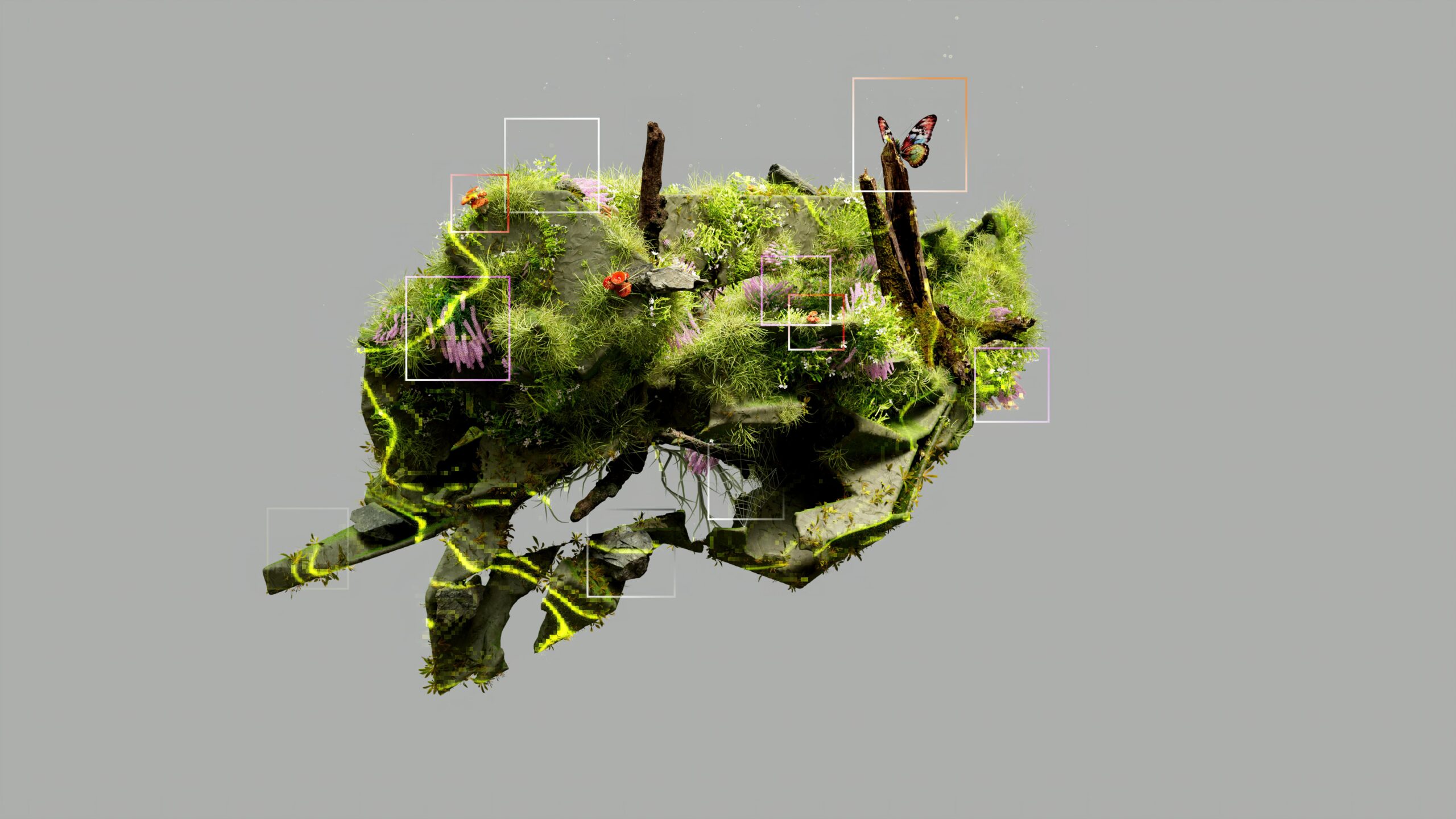
🌈 Cultivating Authentic Connection Through Innovation
Technology’s role in nature connection ultimately depends on how we choose to use it. The same devices that can isolate us indoors can also inspire outdoor exploration, deepen ecological understanding, and facilitate meaningful conservation action. The difference lies in intentionality.
Tech-infused fulfillment through nature connection represents an opportunity to harness innovation for genuinely beneficial purposes. By designing and using technology that serves as gateway rather than barrier, we can help more people experience the psychological, physical, and spiritual benefits that nature connection provides.
The future need not present a choice between technology and nature. Instead, we can cultivate both—using our innovative capacities to strengthen rather than sever our bonds with the living world. In doing so, we create richer, more fulfilling lives while building the environmental awareness necessary for planetary stewardship.
As we continue developing new technologies, maintaining focus on authentic connection remains essential. The goal isn’t to gamify nature or reduce it to data points, but to use innovation to remove barriers, enhance accessibility, and deepen appreciation. When technology serves these purposes, it becomes a valuable ally in the essential human project of living in harmony with the natural systems that sustain us all. 🌍✨