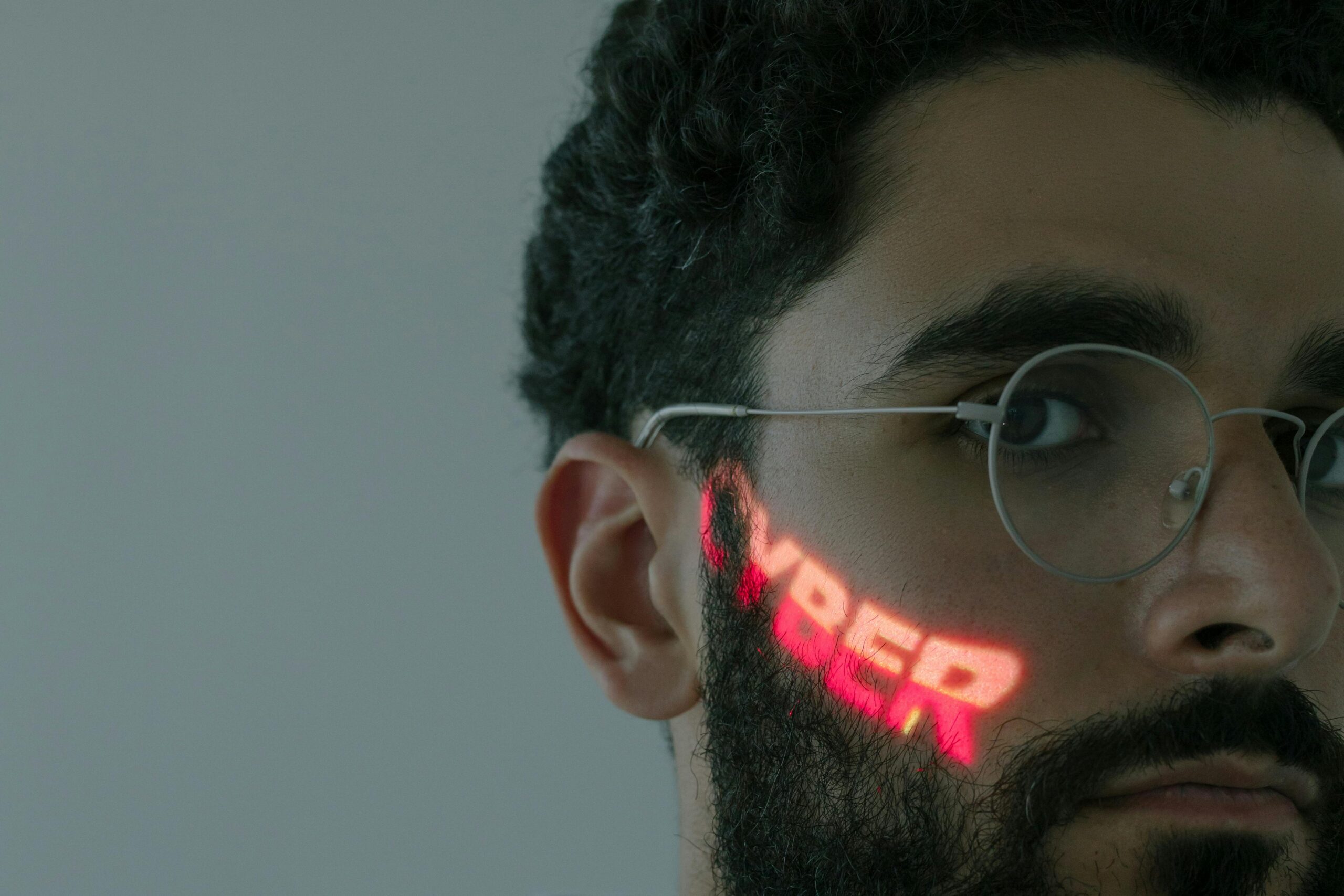
The digital age has redefined what it means to exist, blending our physical and virtual identities into a complex tapestry of modern personhood. 🌐

We stand at a pivotal moment in human history where our digital footprints have become as significant as our physical presence. The concept of digital personhood—our existence, identity, and rights within virtual spaces—is rapidly evolving from a philosophical curiosity into a fundamental aspect of contemporary life. As we navigate through social media profiles, digital wallets, virtual avatars, and AI-generated content, the boundaries between our real and digital selves continue to blur in unprecedented ways.
This transformation isn’t merely technological; it’s deeply personal, legal, and societal. Our digital personas now carry weight in courts of law, influence employment decisions, shape relationships, and even outlive our physical existence. Understanding this evolution is no longer optional—it’s essential for anyone participating in modern society.
The Foundation: What Digital Personhood Really Means 🤔
Digital personhood represents the recognition of an individual’s existence, identity, and legal standing in digital spaces. Unlike a simple social media account or email address, digital personhood encompasses the totality of one’s virtual presence, including data trails, online behaviors, digital assets, and the rights associated with these elements.
Historically, personhood has been a purely physical concept. Legal systems recognized individuals based on their biological existence. However, the internet age has challenged this traditional framework. Today, billions of people maintain substantial portions of their lives online—working remotely, socializing through screens, conducting financial transactions digitally, and creating content that defines their public identity.
The evolution toward digital personhood recognition began gradually. Early internet users maintained anonymity with little connection to their real-world identities. As platforms matured and digital commerce emerged, verification systems and identity authentication became necessary. Now, we’re entering an era where digital identity isn’t just verified—it’s protected, regulated, and increasingly considered a fundamental right.
The Building Blocks of Your Digital Self
Your digital personhood comprises several interconnected elements that together form your virtual identity:
- Digital Identity: Your verified credentials, biometric data, and authentication methods that prove who you are online
- Digital Footprint: The trail of data you leave through searches, clicks, posts, and interactions across platforms
- Digital Assets: Cryptocurrencies, NFTs, digital art, in-game items, and other virtual property you own
- Digital Reputation: Reviews, ratings, social media presence, and the perception others have of you online
- Digital Rights: Privacy protections, data ownership, freedom of expression, and other legal entitlements in virtual spaces
The Technological Catalysts Reshaping Identity 💻
Several technological advancements are accelerating the evolution of digital personhood, fundamentally changing how we conceive of identity in the modern age.
Blockchain and Decentralized Identity
Blockchain technology has introduced the possibility of self-sovereign identity—a model where individuals control their own identity information without reliance on centralized authorities. Unlike traditional systems where corporations or governments maintain identity databases, blockchain enables individuals to own, manage, and selectively share their identity credentials.
This shift represents a revolutionary change in power dynamics. Decentralized identity solutions allow people to prove who they are without exposing unnecessary personal information, maintaining privacy while establishing trust. For individuals in countries with unstable governments or inadequate documentation systems, blockchain-based identity can provide unprecedented access to services and opportunities.
Artificial Intelligence and Synthetic Identities
AI has complicated digital personhood in fascinating ways. Deepfakes can create convincing video and audio of people saying or doing things they never did. AI-generated avatars can represent individuals in virtual meetings or metaverse environments. Chatbots can mimic human communication patterns so effectively that distinguishing human from machine becomes challenging.
These developments raise profound questions: If an AI can convincingly replicate your voice, appearance, and behavior patterns, what makes your digital presence uniquely “you”? How do we authenticate genuine human presence in an environment increasingly populated by synthetic entities? These aren’t merely philosophical questions—they have real implications for fraud prevention, content authenticity, and digital rights.
Biometric Authentication and Digital Bodies
Biometric technologies have tethered digital identity to physical bodies in new ways. Facial recognition, fingerprint scanning, iris detection, and even gait analysis now serve as keys to unlock digital spaces. Your body has become your password, linking physical and digital personhood inseparably.
While this enhances security, it also raises concerns. Unlike passwords that can be changed, biometric data is permanent. A compromised fingerprint database doesn’t just threaten current accounts—it potentially compromises an individual’s ability to securely authenticate forever. The stakes for protecting biometric data have never been higher.
Legal Frameworks Catching Up with Reality ⚖️
Legal systems worldwide are grappling with how to recognize and protect digital personhood. Traditional legal frameworks designed for physical interactions struggle to address the complexities of virtual existence.
The Right to Be Forgotten
The European Union’s General Data Protection Regulation (GDPR) introduced the “right to be forgotten,” allowing individuals to request deletion of their personal data under certain circumstances. This represents a significant acknowledgment that digital personhood includes the right to control one’s digital legacy and erase past digital traces.
This right challenges the internet’s default permanence. Information once published online could previously remain accessible indefinitely. The right to be forgotten recognizes that people evolve, contexts change, and individuals should have some ability to reshape their digital presence without being perpetually haunted by past actions or outdated information.
Digital Estate Planning and Posthumous Personhood
What happens to your digital personhood when you die? This question has spawned an entirely new area of law. Digital assets—from cryptocurrency holdings to social media accounts to cloud-stored photos—require estate planning just like physical property.
Some platforms have introduced legacy contact features, allowing users to designate someone to manage their account after death. Legal systems are developing frameworks for accessing deceased individuals’ digital accounts. The concept of posthumous digital personhood recognizes that our virtual presence may continue long after physical death, and this requires appropriate legal protections and procedures.
Digital Identity Theft and Protection
As digital personhood gains significance, so does digital identity theft. Criminals who access someone’s digital credentials can devastate their virtual existence—draining financial accounts, damaging reputations, and creating false records. Legal systems increasingly recognize these crimes as serious violations, comparable to physical assault in their potential to harm individuals.
Protection frameworks now encompass not just financial fraud prevention but holistic digital identity protection. This includes monitoring for unauthorized use of personal information, biometric data protection regulations, and increasingly severe penalties for identity theft and impersonation.
The Social Dimension: Community and Connection in Virtual Spaces 👥
Digital personhood isn’t just about individual identity—it’s fundamentally social. Our virtual selves exist primarily in relation to others, shaped by interactions, communities, and shared experiences in digital environments.
Social Media and Identity Performance
Social media platforms have become stages where we perform our identities. We curate photos, craft captions, and select which aspects of our lives to share, creating versions of ourselves designed for public consumption. This performance isn’t necessarily inauthentic—it reflects the human tendency to present ourselves differently in various contexts, now extended to digital spaces.
However, the permanence and scale of social media amplify the stakes of identity performance. A poorly considered post can define someone’s digital reputation for years. The pressure to maintain consistent, appealing digital personas can create psychological strain, particularly for younger users whose identities are still forming.
Virtual Communities and Belonging
Digital spaces have enabled communities to form around shared interests rather than geographic proximity. Gaming communities, online forums, social platforms, and virtual worlds create opportunities for connection that transcend physical boundaries. For many people, particularly those who feel marginalized in their physical communities, digital spaces provide crucial belonging and identity affirmation.
These virtual communities shape identity development in profound ways. People discover aspects of themselves, explore different facets of their personalities, and find acceptance that might be unavailable in their physical environments. Digital personhood thus becomes intertwined with community membership and social identity in ways that significantly impact psychological wellbeing.
The Metaverse and Embodied Virtual Existence 🎮
The emerging metaverse—persistent, immersive virtual environments where people interact through avatars—represents the next frontier in digital personhood evolution. Unlike traditional social media where we observe content on screens, the metaverse promises embodied presence in virtual spaces.
Virtual reality and augmented reality technologies enable increasingly realistic sensory experiences in digital environments. Users can feel present in virtual spaces, experiencing a sense of “being there” that transcends traditional online interaction. This embodied digital presence raises new questions about identity, presence, and the nature of reality itself.
In metaverse environments, people invest significant time, money, and emotional energy into their virtual selves. Avatars become important identity expressions, virtual real estate holds real value, and relationships formed in these spaces carry genuine emotional weight. Digital personhood in the metaverse isn’t supplementary to physical existence—for many users, it becomes a parallel reality with its own significance and meaning.
Privacy Paradoxes and Personal Data Sovereignty 🔒
The evolution of digital personhood has created complicated privacy challenges. We simultaneously desire connection and privacy, personalization and anonymity, convenience and control. Navigating these tensions requires new frameworks for thinking about personal data and digital rights.
The Surveillance Economy
Modern digital platforms operate on a surveillance business model—offering free services in exchange for user data that can be analyzed, packaged, and sold. Every click, search, like, and interaction feeds algorithms designed to predict and influence behavior. Our digital personhood thus becomes valuable commodity, monetized by platforms we use daily.
This raises fundamental questions about autonomy and exploitation. If companies know more about us than we know about ourselves—predicting our behaviors, desires, and decisions with uncanny accuracy—can we truly exercise free will in digital spaces? Does digital personhood include the right to exist online without constant surveillance?
Emerging Models of Data Ownership
New models are emerging that aim to return data ownership and control to individuals. Personal data stores, privacy-focused platforms, and data cooperatives offer alternatives to the surveillance economy. These approaches recognize that personal data is an extension of personhood, deserving protection comparable to physical property or bodily autonomy.
Some jurisdictions are implementing regulations requiring explicit consent for data collection, mandating transparency about data use, and enabling individuals to access, correct, or delete their data. These legal frameworks acknowledge that meaningful digital personhood requires genuine control over personal information.
Ethical Horizons: Challenging Questions Ahead 🌅
As digital personhood continues evolving, we face increasingly complex ethical questions that will shape the future of human identity.
Can AI Entities Claim Personhood?
As artificial intelligence becomes more sophisticated, questions arise about whether AI entities might eventually deserve recognition as persons with rights. If an AI demonstrates consciousness, self-awareness, and autonomy, does it warrant moral consideration? Should advanced AI systems have legal standing or protections?
These questions aren’t merely academic. How we answer them will influence AI development, determine legal frameworks for increasingly autonomous systems, and potentially redefine what it means to be a person in fundamental ways.
Digital Inequality and Access
The evolution of digital personhood risks exacerbating existing inequalities. Those without reliable internet access, digital literacy, or necessary devices may find themselves excluded from increasingly essential aspects of life—employment, education, social services, and civic participation all migrate online.
Ensuring equitable access to digital personhood is a pressing ethical and practical challenge. If citizenship, identity, and participation increasingly depend on digital presence, then digital access becomes a fundamental right requiring societal investment and protection.
The Right to Digital Non-Existence
Should people have the right to opt out entirely? As digital participation becomes increasingly mandatory—for banking, employment, healthcare, and government services—can individuals meaningfully choose to exist only physically? Balancing societal digitalization with individual autonomy presents significant ethical challenges.
Navigating Your Digital Personhood: Practical Considerations 🧭
Understanding digital personhood evolution is one thing; actively managing your own digital identity is another. Here are practical approaches for navigating this complex landscape:
- Audit your digital presence regularly: Search for yourself online, review privacy settings, and understand what information about you is publicly accessible
- Practice intentional digital identity management: Be deliberate about what you share, where you create accounts, and how you present yourself online
- Understand platform policies: Know how services collect, use, and share your data; read terms of service for critical platforms
- Use privacy-enhancing technologies: Consider VPNs, encrypted messaging, privacy-focused browsers, and other tools that protect digital autonomy
- Plan your digital legacy: Consider what should happen to your digital assets and accounts after death; document credentials and wishes
- Advocate for digital rights: Support policies and platforms that respect user privacy, data ownership, and digital personhood
Embracing the Transformation: Digital Personhood as Opportunity 🚀
Despite legitimate concerns about privacy, surveillance, and control, digital personhood evolution also presents remarkable opportunities. Digital spaces enable identity exploration, community building, creative expression, and connection in ways previously impossible.
For individuals whose physical circumstances limit opportunities—whether due to disability, geography, economic constraints, or social marginalization—digital personhood can provide liberation and possibility. Virtual environments allow people to transcend physical limitations, find communities of support, access educational resources, and participate in global conversations.
The key lies not in resisting digital personhood’s evolution but in shaping it intentionally. We must advocate for frameworks that protect individual autonomy, ensure equitable access, and recognize digital rights as fundamental human rights. Technology itself is neutral—the outcomes depend entirely on the values we embed in systems and the regulations we create to govern them.

The Integration Imperative: Wholeness in a Hybrid World 🌍
Perhaps the ultimate challenge of digital personhood evolution is achieving integration—recognizing our digital and physical selves not as separate entities but as different expressions of unified personhood. The dichotomy between “real life” and “online” increasingly makes little sense in a world where both dimensions are genuine, consequential, and interconnected.
Moving forward requires developing new literacies—not just technical skills but philosophical and ethical frameworks for understanding identity in hybrid spaces. We need education that prepares people to navigate digital environments thoughtfully, critically, and safely. We need legal systems that protect digital rights as vigorously as physical rights. We need cultural narratives that acknowledge the legitimacy and significance of digital experiences.
The evolution of digital personhood isn’t something happening to us—it’s something we’re actively creating through countless daily choices, interactions, and innovations. By engaging thoughtfully with these transformations, we can shape a future where digital personhood enhances rather than diminishes human dignity, expands rather than restricts freedom, and connects rather than isolates us.
As we unveil this next era, the fundamental question remains: what kind of digital persons do we want to become? The answer will define not just our technological future but the very nature of human identity in the modern age. The choice, increasingly, is ours to make—consciously, deliberately, and with full awareness of the stakes involved in this profound transformation of what it means to exist in the twenty-first century and beyond.