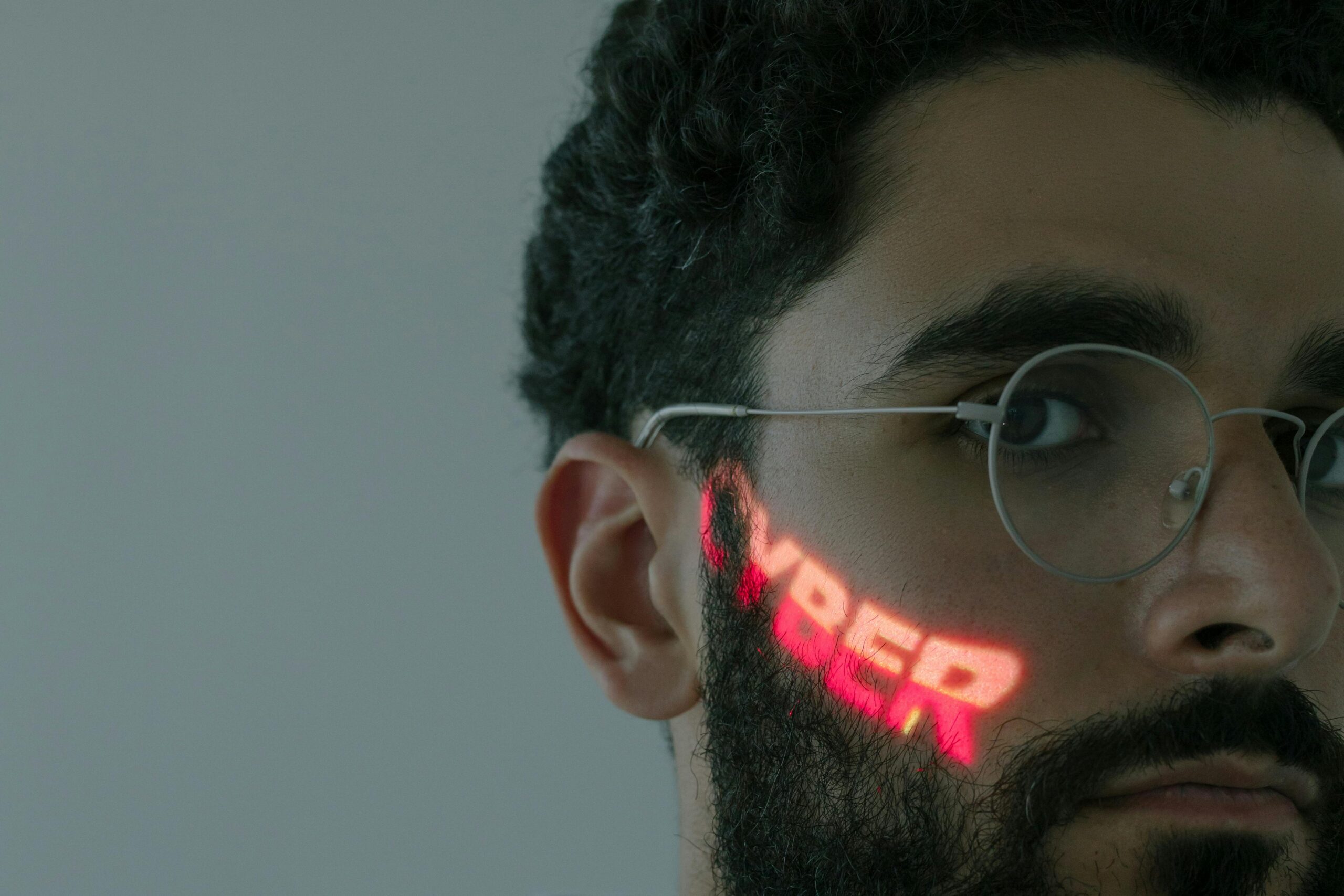
In an age of paradox, we find ourselves more connected yet more fragmented than ever, seeking authentic human bonds amid the noise of modern existence. 🌍

The contemporary world presents us with a curious contradiction. Technology has created unprecedented opportunities for global communication, yet many individuals report feeling more isolated, misunderstood, and culturally adrift than previous generations. This phenomenon—cultural fragmentation—has become one of the defining challenges of our time, reshaping how we understand identity, community, and belonging in fundamental ways.
Cultural fragmentation occurs when shared narratives, values, and traditions that once bound communities together begin to dissolve, leaving individuals navigating an increasingly complex landscape of competing identities and belief systems. Understanding this process and finding pathways toward meaningful reconnection has become essential for anyone seeking to thrive in our multicultural, digitally-mediated world.
The Anatomy of Cultural Fragmentation 🧩
Cultural fragmentation doesn’t happen overnight. It’s a gradual process influenced by technological acceleration, globalization, and shifting social structures. To understand how we arrived at this moment, we must examine the forces that have reshaped our cultural landscape over recent decades.
The digital revolution has fundamentally altered how we consume information and form communities. Where previous generations gathered around a handful of television channels or local newspapers, today’s media landscape offers infinite choice. This abundance has created echo chambers where individuals can curate their entire informational diet to align with existing beliefs, rarely encountering perspectives that challenge their worldview.
Social media platforms have accelerated this trend by using algorithms that prioritize engagement over understanding, often amplifying divisive content that generates strong emotional responses. The result is a fragmented public sphere where different groups increasingly live in separate realities, sharing little common ground for dialogue or mutual understanding.
Migration and Demographic Shifts
Globalization has brought unprecedented movement of people across borders, creating diverse multicultural societies that offer tremendous opportunities alongside significant challenges. Traditional cultural markers—language, religion, customs—that once provided clear frameworks for identity and belonging have become more fluid and contested.
This demographic transformation has enriched societies culturally while simultaneously creating tensions around questions of identity, integration, and cultural preservation. Communities struggle to balance respect for diverse traditions with the need for shared civic values that can unite people across differences.
The Psychological Toll of Living in Fragments 💭
Cultural fragmentation isn’t merely an abstract sociological phenomenon—it has concrete impacts on individual wellbeing and mental health. When the cultural narratives that once provided meaning and direction become uncertain or conflicting, people often experience profound disorientation.
Research indicates that strong cultural identity and community belonging are protective factors for mental health. When these elements fragment, individuals may experience increased anxiety, depression, and feelings of meaninglessness. The quest for identity in a fragmented cultural landscape can become exhausting, leaving people feeling perpetually uncertain about who they are and where they belong.
Young people appear particularly vulnerable to these effects. Growing up amid competing cultural messages and rapidly changing social norms, many report feeling pressure to constantly perform identity across different contexts—one version of themselves for family, another for peers, yet another for online audiences. This fragmentation of self can lead to cognitive dissonance and emotional exhaustion.
The Search for Authenticity
Paradoxically, cultural fragmentation has intensified the human hunger for authenticity and genuine connection. As traditional sources of meaning become less reliable, individuals increasingly seek alternative pathways to purpose—through spirituality, lifestyle movements, subcultures, or ideological communities that promise clarity and belonging.
This search sometimes leads to rigid tribalism, as people desperate for certainty attach themselves to groups with strong boundaries and clear identity markers. While such communities can provide psychological relief, they often do so by reinforcing the very fragmentation they claim to address, creating “us versus them” mentalities that deepen social divisions.
Bridges Across the Divide: Pathways to Reconnection 🌉
Despite these challenges, cultural fragmentation isn’t inevitable or irreversible. Throughout history, human societies have navigated cultural complexity and found ways to build bridges across differences. The current moment calls for intentional strategies that honor diversity while cultivating shared humanity.
The first step toward reconnection involves developing what researchers call “cultural humility”—an orientation of openness toward other perspectives accompanied by critical awareness of one’s own cultural positioning. Unlike cultural competence, which implies mastery, cultural humility recognizes that understanding across difference is an ongoing process requiring curiosity, self-reflection, and willingness to be uncomfortable.
Creating Spaces for Authentic Dialogue
Meaningful connection requires spaces where people can engage across differences without the pressure to perform, convince, or defend. Community dialogue initiatives, when thoughtfully designed, can create such spaces by establishing ground rules that prioritize listening, curiosity, and mutual respect over debate or persuasion.
These conversations work best when they begin with shared experiences rather than divisive topics. Cooking together, collaborative art projects, or working toward common goals can create contexts where relationships form naturally before difficult conversations occur. Once trust exists, people become more willing to engage authentically with challenging topics.
The Role of Storytelling in Cultural Healing 📖
Stories have always been fundamental to human meaning-making and cultural transmission. In fragmented times, storytelling becomes even more crucial as a tool for building empathy, preserving wisdom, and finding common humanity across differences.
Personal narratives have unique power to transcend ideological divisions. When people share their lived experiences authentically, listeners often recognize universal human themes—love, loss, hope, struggle—that exist beneath surface-level differences. This recognition can soften rigid boundaries and open pathways to connection.
Digital storytelling platforms offer promising opportunities for this work when used intentionally. Rather than simply broadcasting opinions, these tools can facilitate meaningful exchange of personal experiences that build understanding across cultural divides. The key is creating contexts that reward vulnerability and depth rather than performative displays or viral content.
Reclaiming Ritual and Shared Practice
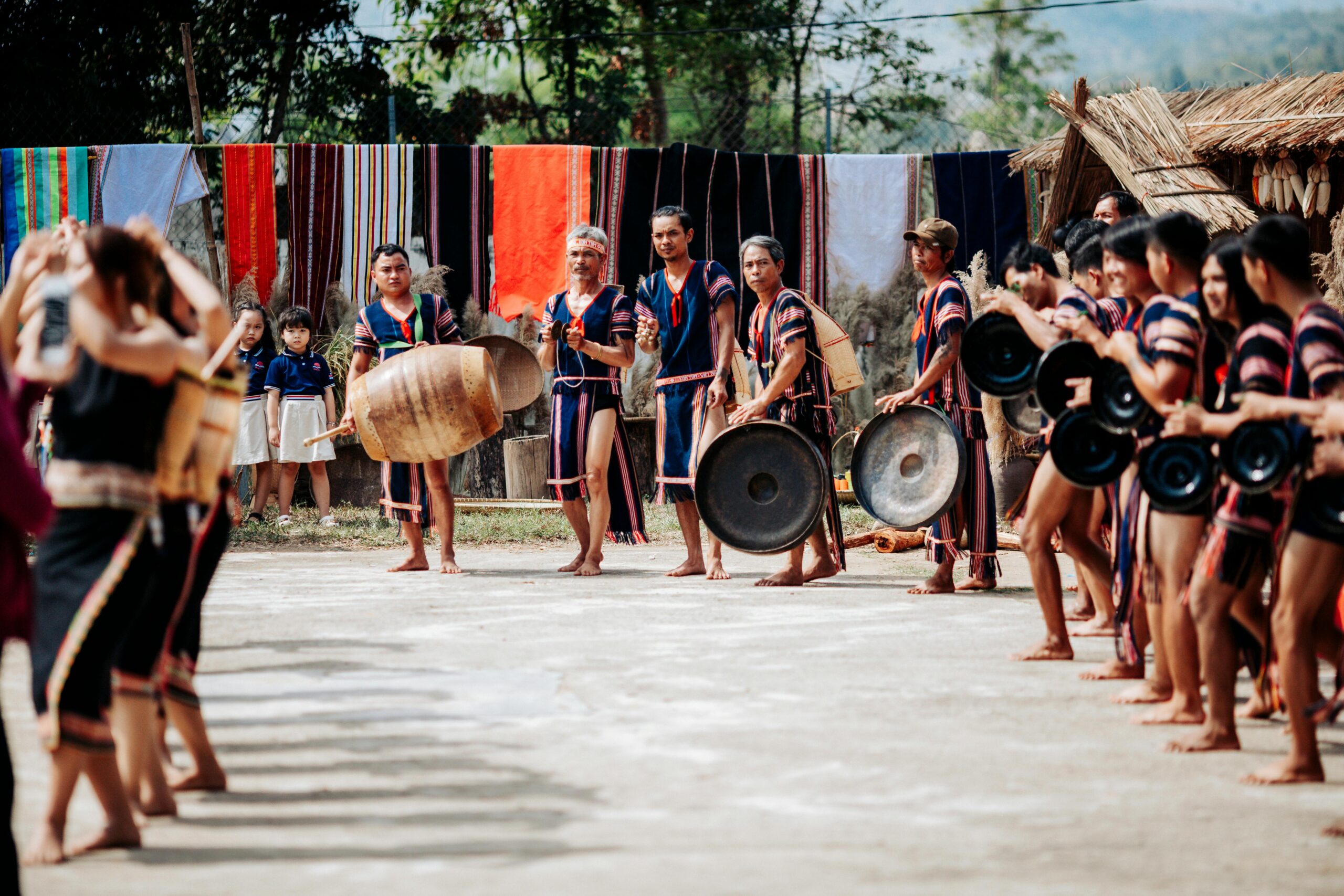
Rituals—whether religious, cultural, or secular—have traditionally provided frameworks for shared meaning and collective identity. In fragmented contexts, creating or revitalizing meaningful rituals can offer powerful anchors for community reconnection.
These practices need not be elaborate or ancient. Simple repeated gatherings—weekly community meals, seasonal celebrations, remembrance ceremonies—can create rhythms that bring people together regularly, building the familiarity and trust necessary for deeper connection. The consistency matters more than the specific content.
Education as a Path Forward 📚
Educational systems have crucial roles to play in either perpetuating fragmentation or fostering connection. Traditional education often emphasized single narratives and cultural homogeneity, while contemporary approaches sometimes swing to the opposite extreme, emphasizing difference without adequate attention to shared humanity.
A balanced approach recognizes both the reality of cultural diversity and the existence of universal human experiences and values. Students need opportunities to explore their own cultural identities while developing genuine curiosity about others, learning to hold complexity without resorting to simplistic categorizations or relativistic fragmentation.
Critical thinking skills become essential in this context—not as tools for dismissing all perspectives as equally valid or invalid, but as capacities for discernment, nuance, and integration. Students must learn to navigate disagreement productively, distinguish between core values and peripheral preferences, and build coalitions across differences.
Technology: Friend or Foe? 💻
While digital technology has contributed significantly to cultural fragmentation, it also offers potential tools for reconnection when used thoughtfully. The difference lies not in the technology itself but in how we design and use it.
Platforms built around genuine connection rather than engagement metrics could facilitate meaningful cross-cultural exchange. Features that encourage slow, thoughtful interaction rather than rapid-fire responses might create space for nuance and understanding. Design choices that prioritize diverse perspectives and common ground over polarizing content could help rebuild shared public spaces.
Some innovators are exploring these possibilities through apps focused on meaningful conversation, perspective-taking exercises, or collaborative problem-solving across differences. These efforts remain nascent but suggest alternative technological futures that support rather than undermine cultural connection.
Digital Detox and Intentional Engagement
Individual choices about technology use also matter significantly. Practicing digital minimalism—being selective about which platforms to engage with and when—can reduce exposure to fragmenting influences while preserving access to genuinely connecting technologies.
This might involve setting boundaries around social media use, choosing voice or video calls over text when possible, or prioritizing in-person gatherings despite digital convenience. The goal isn’t technological rejection but intentional usage aligned with values of authentic connection and cultural healing.
Cultivating Cultural Flexibility 🎭
In fragmented contexts, rigid attachment to any single cultural identity often leads to conflict and isolation. An alternative approach involves developing what researchers call “cultural flexibility”—the capacity to move fluidly between different cultural contexts while maintaining personal integrity.
This flexibility differs from cultural relativism or identity fragmentation. Rather than abandoning core values or constantly reinventing oneself, culturally flexible individuals develop capacities to translate across cultural contexts, finding ways to honor both their own traditions and others’ perspectives without compromising fundamental commitments.
Developing this flexibility requires practice navigating cross-cultural situations with curiosity rather than judgment, learning to distinguish between essential values and culturally-specific expressions, and building comfort with ambiguity and complexity. These skills become increasingly vital as societies grow more diverse and interconnected.
The Promise of Integrated Identity 🌟
Ultimately, navigating cultural fragmentation toward reconnection requires neither retreating into narrow tribalism nor dissolving all distinctions into homogeneous globalization. The path forward involves what might be called “integrated identity”—the capacity to hold multiple cultural inheritances and affiliations while maintaining coherent selfhood.
This integration acknowledges that most people today participate in multiple cultural worlds—defined by ethnicity, nationality, profession, interests, beliefs, and more. Rather than viewing these as competing fragments requiring choice between them, integrated identity recognizes them as complementary dimensions of complex personhood.
People with integrated identities can draw on different aspects of themselves in different contexts without feeling inauthentic or fragmented. They maintain core values while adapting cultural expressions to circumstances, building bridges between worlds rather than choosing sides.
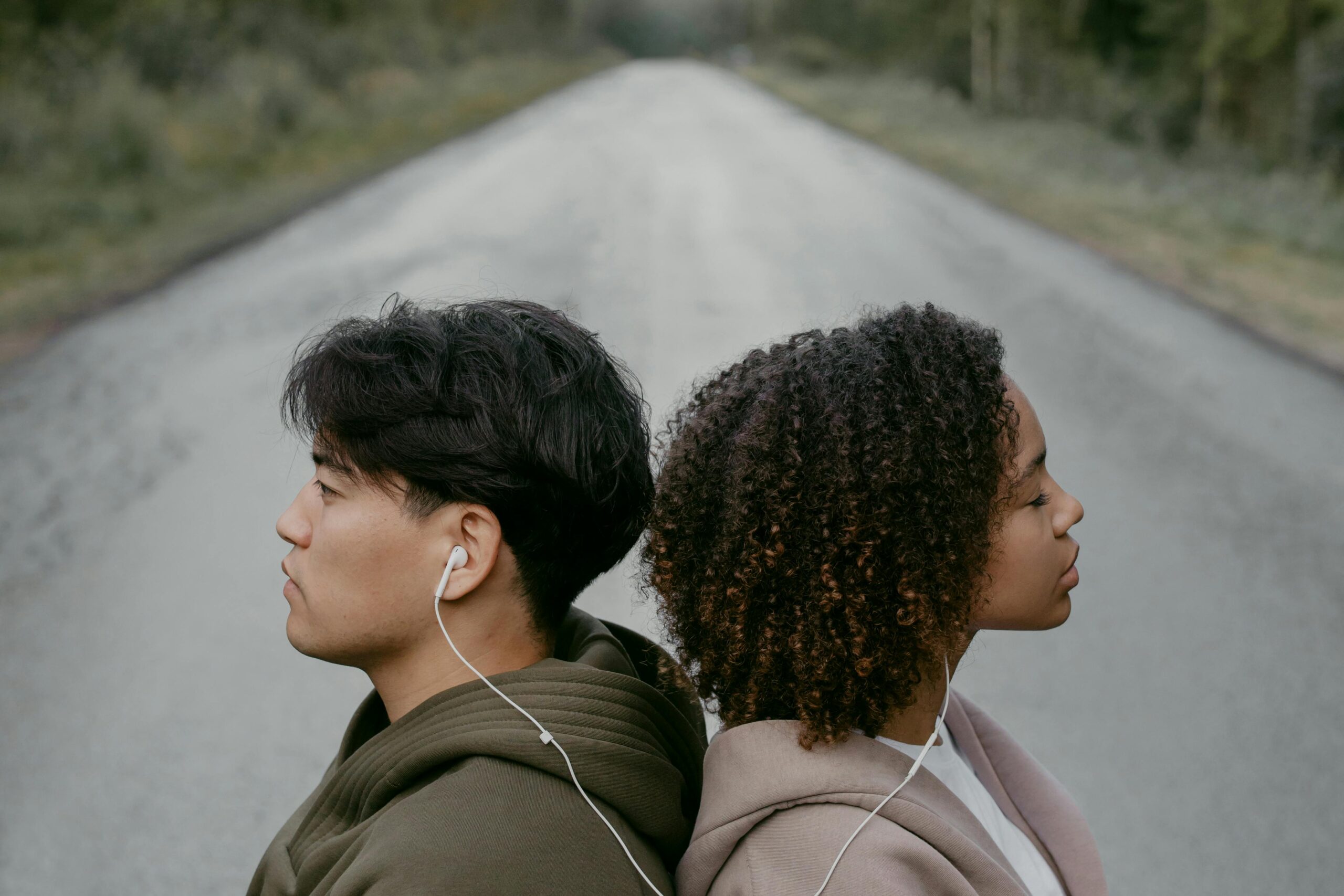
Moving Forward Together 🤝
Cultural fragmentation presents genuine challenges, but it also creates opportunities for more authentic, inclusive communities than existed in supposedly unified pasts that often masked oppression beneath surface harmony. The goal isn’t returning to mythical homogeneous cultures but building forward toward genuine pluralism.
This work requires patience, humility, and sustained commitment from individuals and institutions alike. It means choosing connection over convenience, depth over speed, and understanding over certainty. It involves risking discomfort to engage across differences and extending grace when conversations stumble.
The tapestry of human culture has always been complex, woven from countless threads of tradition, innovation, migration, and exchange. Current fragmentation reflects not cultural failure but growing pains as humanity learns to live together across unprecedented diversity. By approaching this challenge with wisdom, compassion, and creativity, we can transform fragmentation into rich, resilient pluralism that honors both difference and connection.
The work of cultural reconnection begins with each person, in every interaction where we choose curiosity over judgment, listening over speaking, and shared humanity over categorical division. These small choices accumulate into larger transformations, gradually reweaving the cultural fabric into patterns both beautifully diverse and meaningfully connected. The journey continues, and each of us plays a part in shaping what comes next.