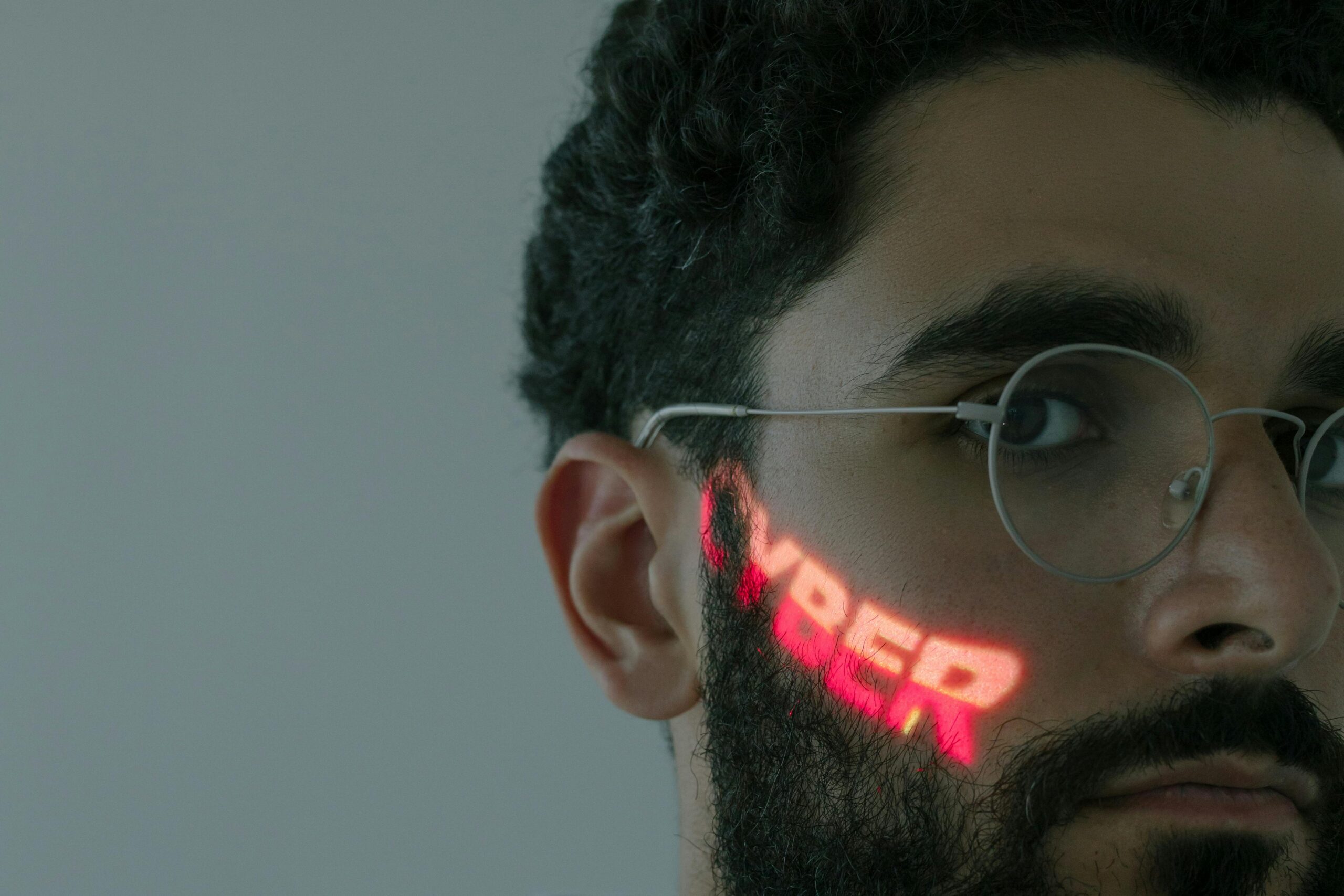
The metaverse is reshaping how we understand identity, offering unprecedented opportunities to explore, express, and reinvent who we are beyond physical limitations.

🌐 The Digital Frontier of Identity Exploration
We stand at the threshold of a profound transformation in how humanity experiences selfhood. The metaverse—a collective virtual shared space created by the convergence of physical and digital reality—presents us with an extraordinary canvas for self-discovery and personal expression. Unlike any previous medium, these immersive digital environments allow us to manifest aspects of ourselves that might remain dormant or suppressed in our physical lives.
The concept of identity has always been fluid, shaped by social contexts, personal experiences, and cultural narratives. However, the metaverse accelerates and amplifies this fluidity, creating spaces where traditional markers of identity become optional rather than fixed. This technological revolution isn’t merely about entertainment or escapism; it’s fundamentally altering our relationship with ourselves and others.
As we navigate these virtual worlds, we’re confronted with essential questions: Who are we when physical appearance becomes a choice? How do we express authenticity in environments where anything is possible? What aspects of our true selves emerge when freed from conventional constraints?
Breaking Free from Physical Constraints
One of the most liberating aspects of metaverse experiences is the dissolution of physical limitations that often define our earthly existence. In virtual realms, bodies become optional, customizable, and infinitely adaptable. This freedom has profound implications for self-exploration and identity formation.
For individuals who experience dysphoria or disconnection from their physical bodies, the metaverse offers therapeutic possibilities. Transgender individuals, people with disabilities, and those who simply feel constrained by their physical appearance can craft avatars that align more closely with their internal sense of self. This isn’t about deception or escapism—it’s about genuine self-expression finally finding an appropriate medium.
The Avatar as Extension of Self
Your avatar in the metaverse functions as more than a digital puppet. It becomes an extension of your consciousness, a vehicle through which you interact with environments and other beings. The process of creating and customizing an avatar is itself a profound exercise in self-reflection. What features do you emphasize? What style resonates with your inner aesthetic? These choices reveal aspects of identity that might not be immediately apparent in daily life.
Research in virtual psychology suggests that our avatar choices significantly influence our behavior and self-perception. This phenomenon, known as the Proteus Effect, demonstrates that the characteristics of our digital representations actually shape how we think and act. When we embody different forms in virtual spaces, we access different aspects of our personality and potential.
🎭 Multiple Selves, Authentic Expression
The metaverse challenges the notion that authenticity requires a single, consistent self. Instead, it embraces the psychological reality that human identity is naturally multifaceted. We all contain multitudes—different personas that emerge in different contexts, with different people, and in different situations.
In physical reality, social pressure often compels us to maintain rigid consistency in how we present ourselves. The metaverse liberates us from this constraint, allowing different facets of our personality to flourish in appropriate contexts. You might be a bold adventurer in one virtual world, a contemplative philosopher in another, and a creative artist in a third. Each expression can be equally authentic, representing genuine aspects of who you are.
The Professional and Personal Divide
Virtual environments are increasingly hosting professional activities—meetings, conferences, collaborative workspaces. This creates interesting opportunities and challenges for identity management. How do we balance professional presentation with personal authenticity? The metaverse allows for sophisticated navigation of these boundaries, creating distinct spaces and personas for different aspects of life while maintaining an integrated sense of self.
This multiplicity doesn’t constitute fragmentation or dishonesty. Rather, it reflects the complexity of human consciousness and the contextual nature of identity. The key is maintaining awareness of these different expressions and ensuring they all emanate from a coherent core sense of values and purpose.
Community and Connection in Virtual Spaces
Identity doesn’t exist in isolation—it’s fundamentally relational, shaped by our interactions with others. The metaverse creates novel forms of community and connection that profoundly influence how we understand ourselves. Virtual communities organized around shared interests, values, or experiences provide spaces for authentic belonging that might be difficult to find in physical geography.
For people with niche interests, marginalized identities, or geographical isolation, metaverse communities offer life-changing connection. You can find your tribe regardless of where you physically reside. These relationships, though mediated by technology, can be as meaningful and transformative as any physical-world connection.
Vulnerability and Trust in Digital Relationships
Building genuine relationships in the metaverse requires vulnerability—a willingness to show aspects of yourself beyond the carefully curated avatar. Paradoxically, the perceived anonymity and distance of virtual spaces can sometimes facilitate deeper vulnerability than face-to-face interactions. Without the immediate judgment associated with physical appearance or social status, people often feel freer to express their thoughts, feelings, and authentic experiences.
However, this same distance can enable deception and manipulation. Navigating trust in virtual environments requires developing new literacies—understanding the signals of authenticity in contexts where traditional cues may be absent or unreliable.
⚡ The Shadow Side: Risks and Challenges
While the metaverse offers tremendous potential for self-discovery, it also presents genuine risks that deserve careful consideration. Understanding these challenges is essential for navigating virtual spaces in healthy, sustainable ways.
Digital Addiction and Escapism
When virtual existence feels more rewarding than physical life, problematic patterns can emerge. The metaverse’s capacity to fulfill needs for achievement, social connection, and self-expression can become addictive, pulling people away from addressing challenges in their offline lives. The line between healthy exploration and unhealthy escapism isn’t always clear.
Signs of problematic engagement include neglecting physical health, relationships, or responsibilities; feeling anxious or depressed when unable to access virtual spaces; and preferring digital interactions exclusively over physical ones. Maintaining balance requires intentional boundaries and regular self-assessment.
Identity Fragmentation and Confusion
While multiplicity can be enriching, excessive fragmentation across too many personas and platforms can create confusion and disconnection. Some individuals report feeling lost or uncertain about their “true” self after extensive metaverse engagement, particularly when virtual personas diverge significantly from offline identity.
This challenge is especially acute for younger users whose identities are still forming. Adolescents and young adults navigating crucial developmental stages need careful support in integrating their virtual and physical selves into a coherent identity framework.
Privacy and Data Concerns
Your activities in the metaverse generate extensive data about your preferences, behaviors, and potentially your psychological profile. This information has commercial value and can be exploited. Understanding privacy implications and maintaining control over personal data is crucial for protecting your autonomy and authentic self-expression.
🧭 Practical Strategies for Authentic Self-Navigation
Successfully navigating selfhood in the metaverse requires intentional practices and reflective awareness. Here are evidence-based strategies for maintaining authenticity while exploring virtual possibilities:
Establish Core Values and Boundaries
Before diving deeply into metaverse experiences, clarify your fundamental values and ethical boundaries. What principles guide your behavior regardless of context? What lines won’t you cross, even in virtual spaces? These anchors help maintain consistency and integrity across different environments and personas.
Consider creating a personal code that governs your virtual engagement—guidelines about how you treat others, what information you share, and how you balance virtual and physical commitments.
Practice Reflective Integration
Regularly examine your virtual experiences and what they reveal about your desires, fears, and unexplored aspects of self. Journaling about your metaverse activities can facilitate integration between your digital and physical identities. Ask yourself questions like:
- What aspects of my avatar or virtual behavior differ from my physical presentation, and why?
- What needs am I meeting in virtual spaces that aren’t being met offline?
- How do my virtual relationships complement or substitute for physical connections?
- What have I learned about myself through virtual experiences?
- Am I maintaining healthy balance between digital and physical engagement?
Cultivate Digital Literacy and Critical Awareness
Develop sophisticated understanding of how metaverse platforms function, including their business models, algorithmic influences, and design choices that shape behavior. Recognizing these influences helps you maintain agency over your experience rather than being passively shaped by platform dynamics.
Stay informed about emerging research on virtual identity, digital psychology, and the long-term effects of metaverse engagement. This knowledge empowers more conscious decision-making about your participation.
The Future of Self in Emerging Realities
As metaverse technologies evolve—incorporating more sophisticated haptics, brain-computer interfaces, and artificial intelligence—the relationship between physical and virtual selfhood will become increasingly complex. Future iterations may blur boundaries even further, potentially integrating virtual experiences more seamlessly into consciousness itself.
These developments raise profound philosophical questions about the nature of reality, consciousness, and identity. If our virtual experiences become indistinguishable from physical ones in terms of subjective quality, what implications does this have for concepts like “real” and “authentic”? Does authenticity reside in consistency of presentation or integrity of values and intentions?
Preparing for Augmented Existence
Rather than viewing the future as a choice between virtual or physical existence, we’re likely moving toward augmented reality where digital and physical seamlessly coexist. Preparing for this future means developing flexible, resilient approaches to identity that can adapt without losing core coherence.
This requires emotional intelligence, self-awareness, and philosophical flexibility. The individuals who will thrive in increasingly virtualized existence are those who can navigate multiple realities while maintaining integrated sense of purpose and values.

🌟 Embracing the Journey of Self-Discovery
The metaverse isn’t a destination but a set of tools and environments for the ongoing project of becoming yourself. Like any powerful technology, it can serve liberation or constraint, self-discovery or self-delusion. The difference lies not in the technology itself but in how consciously and intentionally we engage with it.
Approaching virtual spaces with curiosity, self-compassion, and critical awareness creates opportunities for genuine growth. The aspects of yourself you discover or develop in the metaverse can enrich your entire existence—not as escape from reality but as expansion of what reality can encompass.
Your true self isn’t waiting to be discovered in any single location or context. It’s continuously emerging through the totality of your experiences, choices, and relationships—both physical and virtual. The metaverse simply provides additional dimensions for this eternal human journey of self-understanding and self-creation.
As you navigate these virtual frontiers, remember that authenticity isn’t about consistency of appearance or context. It’s about integrity—alignment between your deepest values and your actions across all domains of existence. Whether interacting through atoms or pixels, you have the opportunity to express the full complexity of who you are and continue becoming who you might be.
The metaverse holds a mirror to our humanity, reflecting both our limitations and our unlimited potential. By engaging thoughtfully with these digital realms, we don’t lose ourselves—we gain new territories for the essential human work of knowing ourselves more deeply and expressing ourselves more fully.