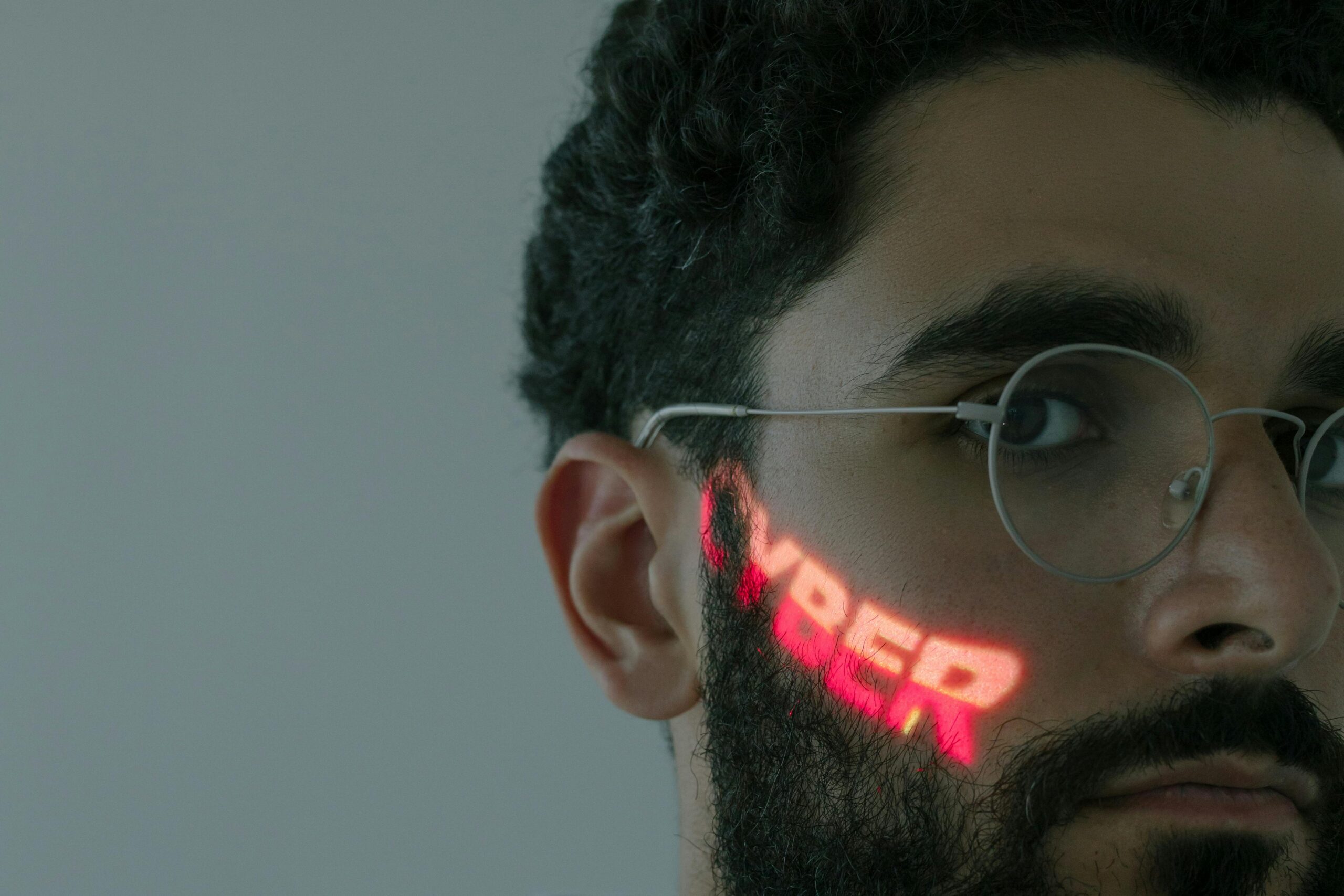
We live in an age where isolation thrives beneath the surface of endless notifications, likes, and digital interactions that promise connection but often deliver emptiness.

The paradox of our modern existence has never been more apparent. We carry devices that connect us to billions of people across the globe, yet report feeling lonelier than ever before. Our smartphones promise to keep us in touch, but they’ve created an invisible barrier between ourselves and genuine human experience. This digital contradiction has profound implications for our mental health, relationships, and sense of purpose in the world.
The question isn’t whether technology connects us—it clearly does. The real question is whether this constant connectivity enhances or diminishes our humanity. As we scroll through curated versions of other people’s lives, respond to messages that demand immediate attention, and chase the fleeting dopamine hits of social validation, we’re experiencing an existential crisis that previous generations never faced.
🌐 The Illusion of Digital Proximity
Social media platforms were designed with the explicit goal of bringing people together. Facebook promised to connect the world. Instagram offered visual storytelling that transcended language barriers. Twitter created conversations across continents. Yet somewhere between the promise and the reality, something fundamental was lost.
When we engage with others through screens, we’re interacting with carefully constructed representations rather than authentic human beings. We see highlight reels instead of real lives. We receive edited thoughts instead of spontaneous conversations. This creates a simulacrum of connection—something that looks and feels like genuine interaction but lacks the depth and nourishment of face-to-face human contact.
Research from the American Journal of Preventive Medicine found that individuals who spend more than two hours daily on social media platforms are twice as likely to report feelings of social isolation compared to those who spend less than thirty minutes. This inverse relationship between digital connectivity and emotional wellbeing reveals a troubling truth: the tools designed to connect us may actually be driving us apart.
The digital world also removes critical elements of human communication. We miss body language, tone of voice, facial expressions, and the subtle energy exchange that happens when two people share physical space. A text message saying “I’m here for you” carries a fraction of the emotional weight of a friend sitting beside you in silence during difficult times.
⏰ The Tyranny of Constant Availability
Previous generations experienced clear boundaries between work and personal life, between social time and solitude. These boundaries have collapsed under the weight of constant connectivity. We’re now expected to be perpetually available, responsive, and engaged—a demand that’s fundamentally incompatible with human psychology.
The expectation of immediate response creates chronic low-level anxiety. We feel the phantom vibration of notifications that never arrived. We compulsively check our devices dozens of times per hour. We interrupt conversations, meals, and moments of reflection to attend to digital demands that rarely constitute genuine emergencies.
This state of perpetual partial attention fragments our consciousness. We’re never fully present in any single moment because part of our awareness is always monitoring for the next ping, buzz, or notification. This divided attention creates a peculiar form of existential exhaustion—we’re simultaneously overstimulated and undernourished.
The concept of “being alone” has been fundamentally redefined. True solitude—the kind that allows for deep reflection, creativity, and self-discovery—has become nearly impossible when we carry devices that can summon the entire world at any moment. We’ve lost the capacity to simply be with ourselves without digital mediation.
💭 The Erosion of Authentic Identity
Social media platforms don’t just connect us to others—they fundamentally reshape how we understand ourselves. We begin to view our lives through the lens of shareability. Experiences are valued not for their intrinsic meaning but for their potential to generate engagement online.
This creates a strange doubling of consciousness. We simultaneously experience events and observe ourselves experiencing them from an imagined audience’s perspective. A beautiful sunset becomes a photo opportunity. A meaningful conversation becomes potential content. Our lives transform into performances for an audience that’s simultaneously everywhere and nowhere.
The metrics of social validation—likes, shares, comments, followers—become proxies for self-worth. We internalize the platform’s logic, measuring our value through quantifiable engagement rather than internal measures of meaning and purpose. This externalization of identity leaves us vulnerable to the fluctuations of algorithmic visibility and crowd approval.
Young people, who have never known a world without social media, are particularly susceptible to this identity confusion. They’re constructing their sense of self in an environment where authenticity is performative and vulnerability is strategic. The long-term psychological implications of this shift are still emerging, but early indicators suggest increased rates of anxiety, depression, and identity instability.
🧠 Neurological Rewiring and Digital Dependency
Our brains are remarkably plastic, adapting to the environments and behaviors we expose them to regularly. Constant connectivity isn’t just changing how we behave—it’s literally rewiring our neural pathways.
The frequent dopamine hits triggered by notifications, likes, and digital interactions create patterns similar to behavioral addiction. We develop cravings for digital stimulation and experience discomfort during disconnection. This isn’t metaphorical addiction—neuroimaging studies show that problematic smartphone use activates the same brain regions associated with substance abuse disorders.
Our capacity for sustained attention is diminishing. Research from Microsoft found that the average human attention span has decreased from twelve seconds in 2000 to eight seconds today—less than that of a goldfish. This isn’t because humans are becoming less intelligent, but because our cognitive architecture is adapting to environments characterized by constant interruption and rapid task-switching.
The prefrontal cortex—the brain region responsible for impulse control, decision-making, and delayed gratification—is particularly affected. When we constantly respond to immediate digital stimuli, we weaken the neural pathways associated with self-regulation and strengthen those linked to impulsive responsiveness.
👥 The Paradox of Social Abundance and Emotional Poverty
We’re more “connected” than at any point in human history, yet loneliness has reached epidemic proportions. This isn’t coincidental—it’s causal. The quality of our relationships has declined as their quantity has increased.
Anthropologist Robin Dunbar’s research suggests humans can maintain approximately 150 stable relationships—a limit determined by our cognitive capacity and time availability. Social media platforms encourage us to exceed this natural limit dramatically, creating networks of hundreds or thousands of “friends” or “followers” with whom we maintain only the shallowest connections.
This dilution of social energy means we have less to invest in the deep relationships that actually provide emotional nourishment. We prioritize weak ties over strong ones, breadth over depth. We know superficial details about many people’s lives while having few relationships characterized by genuine vulnerability and mutual support.
The phenomenon of “alone together”—being physically present with others while mentally absorbed in digital devices—has become normalized. Families sit in the same room while inhabiting separate digital worlds. Friends gather but spend significant time documenting the gathering rather than fully experiencing it. We’re present in body but absent in attention and emotional availability.
🔍 Finding Meaning in an Age of Digital Distraction
The existential implications of constant connectivity extend beyond loneliness to fundamental questions of meaning and purpose. When our attention is perpetually fragmented, we lose the capacity for the sustained reflection necessary to construct coherent narratives about our lives.
Meaning-making requires depth—the ability to sit with difficult questions, to follow thoughts to their conclusions, to integrate experiences into a broader understanding of who we are and what matters. The cognitive state induced by constant connectivity is antithetical to this process. We skim surfaces rather than exploring depths.
Philosophers from Heidegger to Kierkegaard emphasized the importance of confronting existential realities—mortality, freedom, responsibility, isolation—as essential to authentic living. Constant digital distraction provides an escape from these uncomfortable confrontations. We can indefinitely postpone existential reckoning by losing ourselves in streams of content that demand nothing from us but passive consumption.
This avoidance comes at a cost. Without periodic examination of our values, priorities, and direction, we drift. We adopt default settings provided by cultural algorithms rather than consciously choosing our path. We wake up years later wondering how we arrived at lives that feel somehow foreign to our deeper selves.
🌱 Reclaiming Human Connection in Digital Spaces
The solution isn’t to reject technology entirely—an unrealistic and unnecessary response. Instead, we need to develop new literacies and practices that allow us to engage with digital tools without being consumed by them.
Digital minimalism offers one framework. This approach involves intentionally curating our technological engagement to support our values rather than undermine them. It means being selective about which platforms we use, how we use them, and how much time we allocate to digital activity.
Setting boundaries is crucial. This might include designated phone-free times, physical spaces where devices aren’t permitted, or specific periods dedicated to uninterrupted presence. These boundaries feel difficult initially because we’re disrupting established patterns of behavior and expectation, but they become easier with practice.
We can also consciously prioritize depth over breadth in our digital interactions. Rather than maintaining superficial connections with hundreds of people, we might focus on using technology to deepen existing meaningful relationships. A thoughtful video call with a close friend provides more emotional nourishment than dozens of brief text exchanges with acquaintances.
Apps designed to promote digital wellness can help. Freedom, for instance, allows users to block distracting websites and applications across all devices, creating protected time for focused work or genuine rest. These tools use technology to counteract technology’s negative effects—a pragmatic approach for the digitally embedded world we inhabit.
🤝 The Path Forward: Intentional Connection
Addressing the existential toll of constant connectivity requires both individual action and broader cultural shifts. On a personal level, we must develop what might be called “technological wisdom”—the discernment to recognize when digital tools serve us and when we’ve become their servants.
This wisdom includes recognizing the difference between genuine connection and its simulation. It means noticing when we’re reaching for our phones out of boredom, anxiety, or habit rather than genuine need. It involves developing tolerance for the discomfort of disconnection, recognizing that this discomfort often precedes important insights and experiences.
Culturally, we need to challenge the expectation of constant availability. Organizations can implement policies that protect employees’ right to disconnect. Social norms can evolve to make delayed responses acceptable rather than concerning. We can collectively question the assumption that more connectivity automatically equals better outcomes.
Education has a critical role. Young people need support in developing healthy relationships with technology before problematic patterns become entrenched. This education should go beyond simple warnings about “screen time” to address the deeper questions: What constitutes a meaningful life? How do we maintain authentic identity in digital spaces? What kind of relationships actually nourish us?
🌟 Embracing Human Limits in an Unlimited Digital World
Perhaps the most radical act in an age of constant connectivity is accepting our fundamental human limitations. We weren’t designed for perpetual availability, infinite social networks, or continuous information streams. These capacities exceed our evolutionary inheritance.
Rather than viewing these limitations as deficiencies to overcome through technological augmentation, we might embrace them as essential features of human experience. Our need for rest isn’t a bug to be eliminated but a feature that enables renewal. Our capacity for only a limited number of deep relationships isn’t a constraint to transcend but a reality that encourages investment in quality over quantity.
The existential toll of constant connectivity stems largely from this mismatch between human nature and technological possibility. We’ve created systems that exceed our psychological capacity to engage with healthily, then blamed ourselves for struggling to adapt. A wiser approach involves designing our technological engagement around human flourishing rather than forcing ourselves to conform to technological imperatives.
This means sometimes choosing boredom over stimulation, solitude over connection, depth over breadth. It means protecting spaces and times where the analog world takes precedence. It means recognizing that the ancient human needs for presence, stillness, and unmediated experience haven’t been rendered obsolete by technological progress.

💪 Rediscovering Presence and Purpose
The way forward isn’t backward. We can’t and shouldn’t attempt to return to pre-digital existence. Instead, we must forge a new synthesis—one that incorporates digital tools while preserving the essential elements of human flourishing that existed before these technologies emerged.
This synthesis requires conscious effort. Default settings lead us toward increasing connectivity, engagement, and digital immersion. Choosing differently means swimming against powerful currents—algorithmic recommendation systems designed to maximize our attention, social expectations of availability, and our own habituated patterns of behavior.
Yet the rewards for this effort are substantial. People who successfully establish healthy boundaries with technology report greater life satisfaction, deeper relationships, improved mental health, and stronger sense of purpose. They describe feeling more like themselves—less fragmented, more integrated, more present to their actual lives rather than curated versions thereof.
The existential toll of constant connectivity isn’t inevitable. It’s the consequence of specific choices—individual and collective—about how we integrate these powerful tools into our lives. By making different choices, we can harness technology’s genuine benefits while protecting the irreplaceable elements of human experience that thrive only in spaces of disconnection, depth, and presence. 🌍
Our challenge is to remain connected to what matters most—our authentic selves, our deepest relationships, our sense of purpose—even as we navigate a world that constantly pulls our attention elsewhere. This is the work of our time, the existential task facing this uniquely connected yet paradoxically isolated generation.