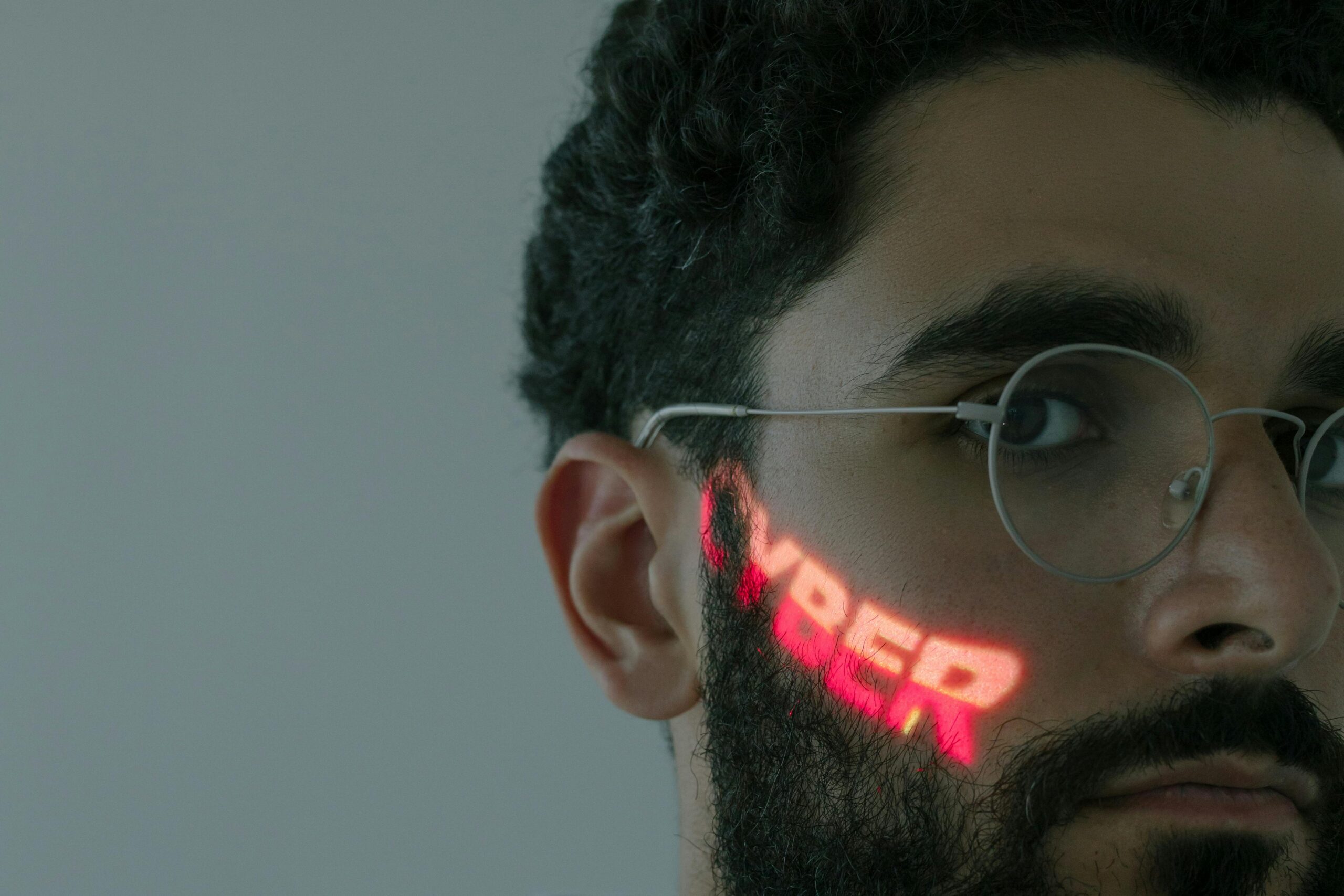
As digital landscapes expand, the need for a robust moral framework to guide our online behavior has never been more urgent or complex.

🌐 The Digital Dilemma: Why Traditional Ethics Fall Short Online
The internet has fundamentally transformed how we interact, communicate, and conduct business. Yet this transformation has outpaced our ethical frameworks, leaving us navigating uncharted moral territory. Traditional philosophical approaches, developed in physical spaces with face-to-face interactions, struggle to address the unique challenges posed by cyberspace—where anonymity reigns, actions scale exponentially, and consequences ripple across global networks in milliseconds.
Cyber ethics emerges as a crucial discipline at the intersection of philosophy, technology, and social responsibility. It asks fundamental questions that our ancestors never imagined: What moral obligations do we have to digital entities? How do we balance privacy with security in interconnected systems? When algorithms make decisions affecting millions, who bears moral responsibility?
The philosophical foundations underpinning cyber ethics draw from centuries of moral reasoning while adapting to unprecedented technological realities. Understanding these foundations isn’t merely academic—it shapes policy decisions, corporate governance, and individual choices that define our digital future.
⚖️ Classical Ethical Frameworks in Digital Contexts
To unlock the moral code governing cyberspace, we must first examine how established philosophical traditions apply to digital dilemmas. Three major ethical theories provide different lenses through which we can evaluate online behavior and technology design.
Utilitarianism: Calculating Digital Consequences
Utilitarian philosophy, championed by Jeremy Bentham and John Stuart Mill, judges actions by their consequences—specifically, whether they maximize overall happiness and minimize suffering. In cyber ethics, this consequentialist approach asks us to weigh the aggregate benefits and harms of technological practices.
Consider data collection by social media platforms. A utilitarian analysis would balance the convenience and connection these services provide against privacy violations and potential psychological harms. If millions benefit from free communication tools, does that outweigh the negative consequences experienced by smaller numbers who suffer data breaches or algorithmic manipulation?
The challenge lies in measuring and predicting consequences in complex digital ecosystems. Network effects mean that seemingly minor decisions can cascade unpredictably. An algorithm optimized for user engagement might inadvertently promote misinformation, radicalizing vulnerable individuals while entertaining millions. Utilitarian calculus becomes nearly impossible when outcomes are uncertain and stakeholders are countless.
Deontological Ethics: Digital Rights and Duties
Immanuel Kant’s deontological framework shifts focus from consequences to duties and rights. This approach holds that certain actions are inherently right or wrong, regardless of outcomes. In cyberspace, deontological thinking emphasizes inviolable digital rights—privacy, autonomy, dignity—that must be respected unconditionally.
From this perspective, reading someone’s private messages is morally wrong even if it yields beneficial information. Hacking into systems violates the categorical imperative to treat others as ends in themselves, never merely as means. Deontological cyber ethics establishes firm boundaries: consent matters, transparency is non-negotiable, and individual dignity cannot be sacrificed for collective benefit.
This framework resonates strongly in debates about surveillance. Even if mass data collection could prevent terrorism or crime, deontologists argue that violating privacy rights of innocent people treats them as mere instruments for security goals. Some moral lines simply shouldn’t be crossed, no matter the potential payoff.
Virtue Ethics: Cultivating Digital Character
Aristotelian virtue ethics takes a different approach entirely, focusing not on actions or consequences but on character. What kind of digital citizens should we strive to become? What virtues should guide our online presence and technological innovations?
This framework encourages cultivation of digital virtues: honesty in online interactions, courage to stand against cyberbullying, temperance in technology use, and wisdom in information sharing. Rather than applying rigid rules, virtue ethics asks us to consider what a person of good character would do in digital situations.
Tech companies applying virtue ethics would prioritize values like integrity and responsibility in product design. Engineers would develop not just functional code but ethical code—software reflecting virtuous intentions and promoting human flourishing. Users would practice digital mindfulness, considering how their online behavior shapes both their character and their communities.
🔐 Privacy, Surveillance, and the Ethics of Information
Few cyber ethics issues generate more heated debate than privacy. The philosophical question runs deeper than mere preference—it touches on human dignity, autonomy, and the power dynamics that shape society.
Privacy isn’t simply about hiding wrongdoing. Philosophical arguments for privacy rights rest on several foundations. Privacy enables autonomy by creating space for independent thought and decision-making. It protects dignity by maintaining boundaries around intimate aspects of life. It supports democracy by allowing dissent without fear of retribution.
The digital age complicates traditional privacy concepts. Information once scattered and ephemeral now persists indefinitely in databases. Activities once anonymous—reading habits, social connections, location patterns—become tracked and analyzed. The question becomes: do we have reasonable expectations of privacy in public digital spaces?
Surveillance capitalism raises particularly thorny ethical issues. Companies monetize personal data, turning human behavior into predictive products sold to advertisers. This model treats people as resources to be mined rather than autonomous agents to be respected. The power asymmetry is stark—individuals rarely understand what data is collected, how it’s used, or what consequences follow.
Philosophers debate whether informed consent can ever be truly meaningful in such complex systems. When terms of service run thousands of words filled with legal jargon, can agreement really be considered voluntary and informed? When opting out means exclusion from essential modern services, is consent genuinely free?
💻 Algorithmic Ethics: When Code Becomes Moral Agent
Algorithms increasingly make decisions that profoundly affect human lives—approving loans, recommending content, predicting criminal recidivism, diagnosing diseases. This shift raises profound philosophical questions about agency, responsibility, and justice.
The Problem of Moral Agency
Traditional ethics assumes human decision-makers who can deliberate, intend, and be held accountable. But algorithms operate through mathematical optimization, without consciousness or moral reasoning. Can code be considered a moral agent? If not, who bears responsibility when algorithms cause harm?
Some philosophers argue for distributed responsibility—shared among programmers, companies deploying the systems, and society setting the regulatory environment. Others insist ultimate accountability must trace back to specific humans who designed, approved, or failed to oversee algorithmic systems adequately.
Bias, Fairness, and Digital Justice
Algorithms trained on historical data often perpetuate existing social biases. Facial recognition systems perform worse on darker skin tones. Hiring algorithms discriminate against women. Predictive policing concentrates enforcement in already over-policed communities.
These aren’t merely technical failures—they’re ethical failures reflecting deeper questions about justice and equality. What does fairness mean in algorithmic contexts? Is it equal treatment (treating all inputs identically), equal impact (ensuring equal outcomes across groups), or equal opportunity (providing equal chances for favorable outcomes)?
Different fairness definitions often conflict mathematically. An algorithm cannot simultaneously satisfy all fairness criteria. This forces explicit value judgments about which conception of justice to prioritize—decisions that are fundamentally philosophical, not technical.
🌍 Global Digital Ethics: Whose Values Prevail?
Cyberspace transcends national borders, yet ethical values vary significantly across cultures. Western liberal democracies emphasize individual rights and free expression. Other societies prioritize collective harmony, social stability, or religious principles. Whose moral framework should govern the global internet?
This challenge manifests in practical disputes. European privacy regulations reflect different values than American approaches. Chinese internet governance embodies distinct political philosophies from those in democratic societies. Companies operating globally must navigate conflicting ethical expectations and legal requirements.
Some philosophers advocate ethical relativism—accepting that different cultures legitimately apply different standards. Others defend universal human rights that transcend cultural boundaries. A middle path recognizes core universal principles while allowing legitimate variation in their application across contexts.
The philosophical foundations of cyber ethics must somehow accommodate pluralism without collapsing into anything-goes relativism. Finding common ground requires dialogue, mutual understanding, and willingness to question one’s own assumptions while defending fundamental principles.
🤖 Artificial Intelligence and Emerging Ethical Frontiers
As artificial intelligence systems grow more sophisticated, ethical questions intensify. Machine learning models now generate convincing text, images, and videos. AI systems increasingly operate with limited human oversight. The trajectory toward artificial general intelligence raises existential questions about humanity’s future relationship with technology.
The Ethics of AI Development
Creating increasingly powerful AI systems carries immense responsibility. Developers face ethical obligations to consider potential misuse, unintended consequences, and long-term societal impacts. The precautionary principle suggests proceeding cautiously when consequences are uncertain but potentially catastrophic.
Yet innovation also offers tremendous benefits. AI could solve climate change, cure diseases, and expand human capabilities. Excessive caution might forfeit these gains. Balancing these considerations requires philosophical wisdom about risk, progress, and our obligations to future generations.
Rights and Moral Status of AI
If AI systems achieve consciousness or sentience, would they deserve moral consideration? This question seems distant but has immediate implications for how we design and treat AI. Building systems capable of suffering raises ethical issues even if current AI lacks such capacities.
Philosophical debates about animal consciousness and moral status provide relevant frameworks. If suffering matters morally, and if AI could suffer, then we’d have obligations to consider AI wellbeing. If personhood requires certain cognitive capacities, we must determine which capacities matter and whether AI could possess them.
🛡️ Cybersecurity as Moral Imperative
Security isn’t merely technical—it’s deeply ethical. Vulnerable systems expose users to harm. Poor security practices demonstrate disrespect for those whose data is entrusted to our care. Cybersecurity failures can threaten critical infrastructure, endanger lives, and undermine democratic institutions.
Organizations have moral obligations to implement reasonable security measures. This duty derives from respect for persons, duty of care to customers, and social responsibility to maintain trustworthy digital infrastructure. Security isn’t optional—it’s an ethical requirement.
However, security can conflict with other values. Encryption protects privacy but may shield criminal activity. Strong authentication improves security but reduces accessibility. Responsible cyber ethics requires balancing security against competing moral considerations, not treating it as absolute.
📱 Digital Citizenship in the Modern Age
Individual users bear ethical responsibilities too. Digital citizenship involves recognizing our moral obligations in online spaces—to contribute constructively, respect others, verify information before sharing, and consider the broader impacts of our digital footprints.
The anonymity and distance of online interaction can diminish moral restraint. Behind screens, people say things they’d never say face-to-face. This highlights the importance of intentionally cultivating digital virtue and maintaining ethical awareness even when social pressure is reduced.
Parents, educators, and communities must foster ethical digital literacy. Technical skills alone are insufficient—we need moral formation for digital life. This includes critical thinking about information sources, empathy in online communication, and understanding our roles as participants in shaping digital culture.
⚡ Building Ethical Technology: Practical Applications
Translating philosophical principles into practice requires intentional effort throughout the technology lifecycle. Ethical considerations should inform design decisions from the earliest stages, not be added as afterthoughts.
Privacy by design embeds data protection into system architecture. Ethical AI principles guide algorithm development. Inclusive design processes ensure diverse perspectives shape technology. Impact assessments evaluate potential harms before deployment. These practices operationalize philosophical commitments.
Companies should establish ethics review boards, develop clear values statements, and create accountability mechanisms. Engineers need ethics training alongside technical education. Organizational culture must reward ethical behavior and encourage speaking up about concerns.
Regulation plays a crucial role, establishing baseline standards that competitive markets alone won’t produce. Yet regulation always lags technology. Professional ethics must fill gaps, with technologists accepting personal responsibility for their creations’ moral implications.
🔮 Navigating Uncertainty: Ethics for an Evolving Digital Future
The most challenging aspect of cyber ethics may be its inherent uncertainty. Technology evolves faster than ethical consensus forms. Today’s solutions may prove inadequate for tomorrow’s challenges. We must develop flexible frameworks capable of addressing unanticipated dilemmas.
This requires intellectual humility—acknowledging the limits of our current understanding while remaining committed to ethical deliberation. It demands ongoing dialogue bringing together diverse perspectives—technologists, ethicists, policymakers, and affected communities.
The philosophical foundations of cyber ethics provide not definitive answers but tools for moral reasoning. By understanding utilitarian calculations, deontological principles, and virtue cultivation, we equip ourselves to navigate novel situations thoughtfully. By engaging with questions of justice, rights, and responsibility, we develop the wisdom necessary for ethical technology stewardship.
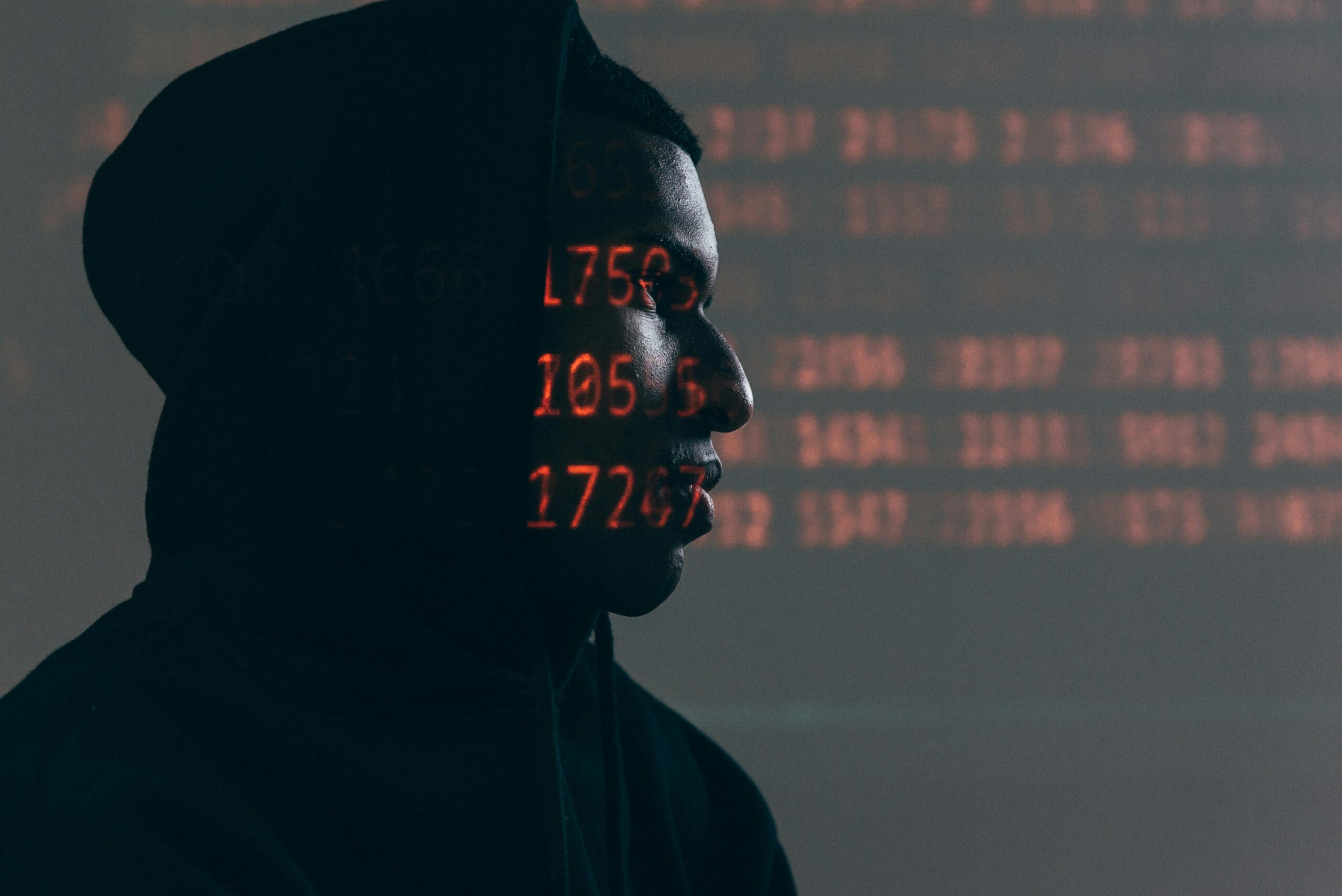
🌟 Forging Our Digital Destiny Through Moral Clarity
The moral code governing cyberspace isn’t locked away in abstract philosophy—it’s being written through millions of daily decisions by users, developers, companies, and societies. These decisions shape what our digital world becomes, determining whether technology enhances human flourishing or diminishes it.
Understanding the philosophical foundations of cyber ethics empowers us to make better choices. It reveals the values underlying competing approaches, clarifies what’s truly at stake in technical debates, and provides language for articulating moral concerns that might otherwise remain inchoate.
The challenges are daunting—privacy erosion, algorithmic bias, AI risks, surveillance overreach, information manipulation. Yet these challenges aren’t insurmountable. They’re navigable through careful ethical reasoning informed by philosophical wisdom and practical engagement.
As digital technology becomes increasingly central to human life, cyber ethics moves from specialized academic concern to essential civic competency. Everyone participating in digital life—which is to say, nearly everyone—becomes a stakeholder in shaping the moral architecture of cyberspace.
The task before us is nothing less than extending humanity’s centuries-long ethical conversation into new frontiers. By bringing philosophical rigor to technological questions, we unlock the moral code needed to build digital systems and cultures worthy of our highest values. The future of technology isn’t predetermined—it will reflect the ethical choices we make today, individually and collectively, as we write the moral operating system for our networked age.